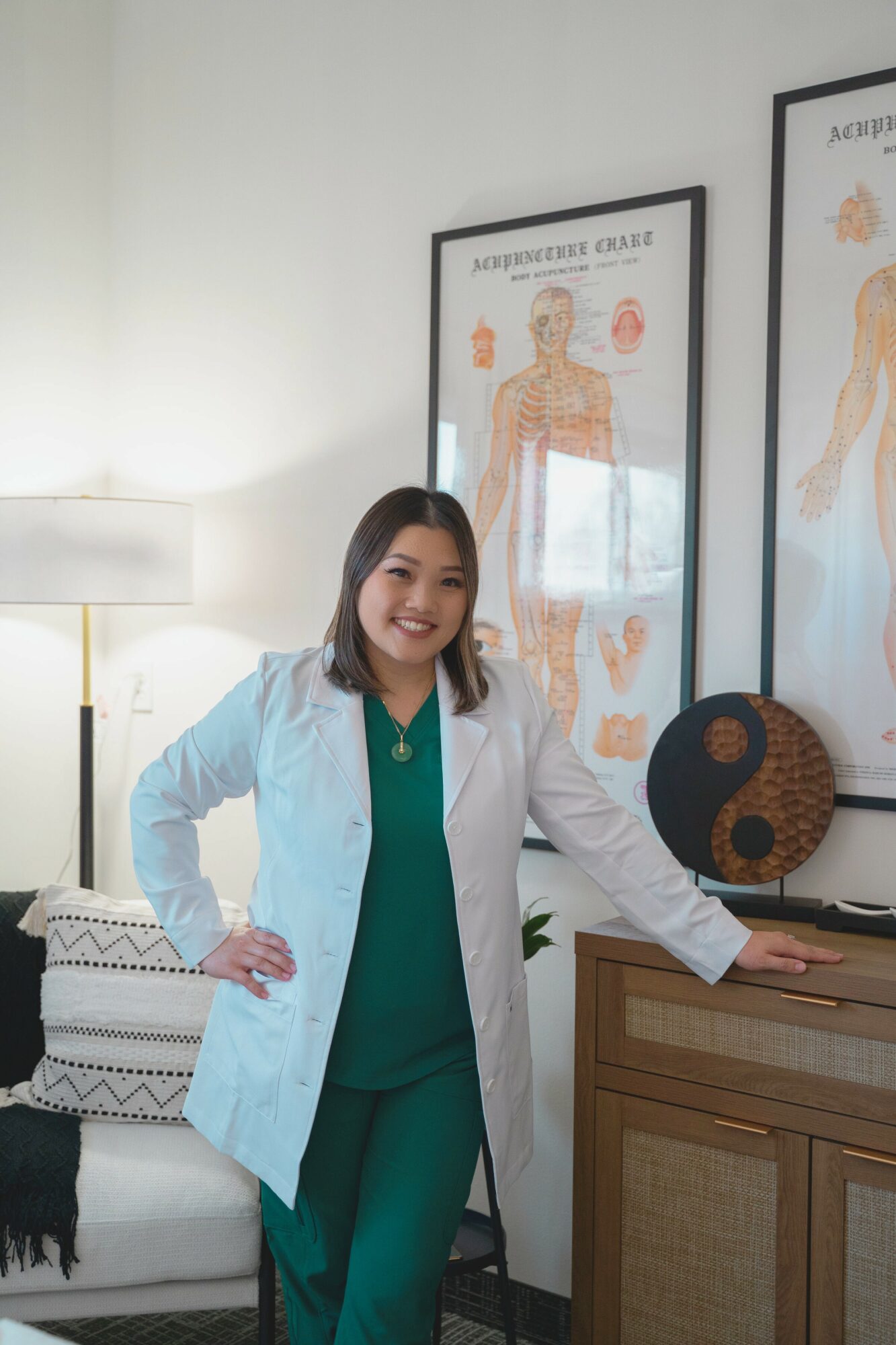


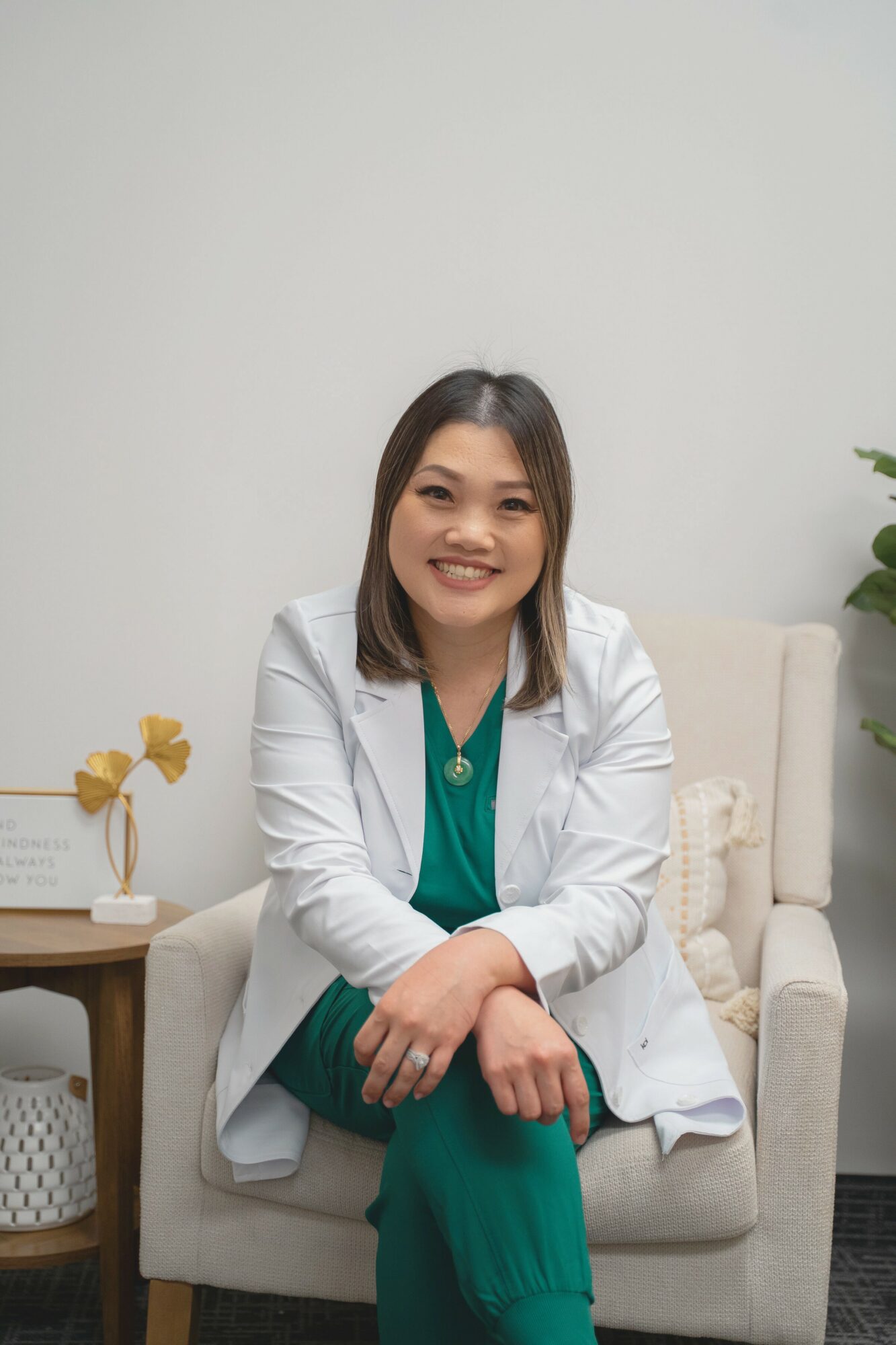
Today we’d like to introduce you to Bhao Nhiang Thao.
Hi Bhao Nhiang, so excited to have you on the platform. So before we get into questions about your work-life, maybe you can bring our readers up to speed on your story and how you got to where you are today?
My path into acupuncture started with something very personal. Growing up, I’ve long had a strong appreciation for Chinese language and culture. I was especially captivated by its rich history and philosophical foundations, particularly the focus on balance and harmony as guiding principles in daily life. Over time, that personal interest naturally grew into a professional curiosity about Traditional Chinese Medicine and its comprehensive, whole-person approach to healing.
I’ve always believed that healthcare should treat the whole person, not just isolated symptoms. That belief initially led me to pursue a Doctor of Chiropractic degree at Northwestern Health Sciences University in Bloomington, Minnesota. I was passionate about hands-on healing and helping patients move and function better. But during my time there, I began to feel that there was a deeper dimension of healing I wanted to explore — one that incorporated internal balance, energy, and a more comprehensive framework of wellness.
That realization ultimately guided me toward acupuncture. It felt like a natural intersection of my long-standing appreciation for Chinese culture and my desire to practice truly holistic medicine. Today, what motivates me most is the opportunity to integrate that tradition with modern clinical understanding to help patients restore balance and take an active role in their healing. Since then, my journey has been about integrating knowledge, culture, and compassion into the way I practice — always remembering that healing is both an art and a science.
Would you say it’s been a smooth road, and if not what are some of the biggest challenges you’ve faced along the way?
It definitely hasn’t been a smooth road. Pursuing this path came with both personal and professional challenges.
On a personal level, as a first-generation Hmong American woman, there were cultural expectations, financial pressures, and the responsibility of helping support and represent my family. Navigating higher education while honoring my roots wasn’t always easy. During graduate school, I was not only pursuing my education but also growing my family. Balancing motherhood, academics, and clinical training simultaneously demanded exceptional discipline, personal sacrifice, and resilience. Although there were times of fatigue and uncertainty, those challenges ultimately reinforced my resolve and intensified my dedication to completing the journey I began.
Professionally, one of the biggest challenges has been sharing and educating others about acupuncture and Traditional Chinese Medicine. Holistic and Eastern medicine can sometimes be misunderstood or underestimated in Western healthcare settings. Building trust, explaining the philosophy behind the medicine, and helping patients see its value takes patience and persistence. There’s also the responsibility of honoring the tradition authentically while practicing in a modern, evidence-informed environment.
But those struggles shaped me. Being a first-generation Hmong American woman gives me a deep appreciation for cultural medicine, intergenerational healing, and community care. Being a mother of five while pursuing this path taught me time management, empathy, and perseverance. And advocating for this medicine has strengthened my confidence and communication skills.
So no, it hasn’t been smooth — but every challenge has reinforced why I do this work and who I do it for.
Thanks – so what else should our readers know about Eastern Blooms Acupuncture ?
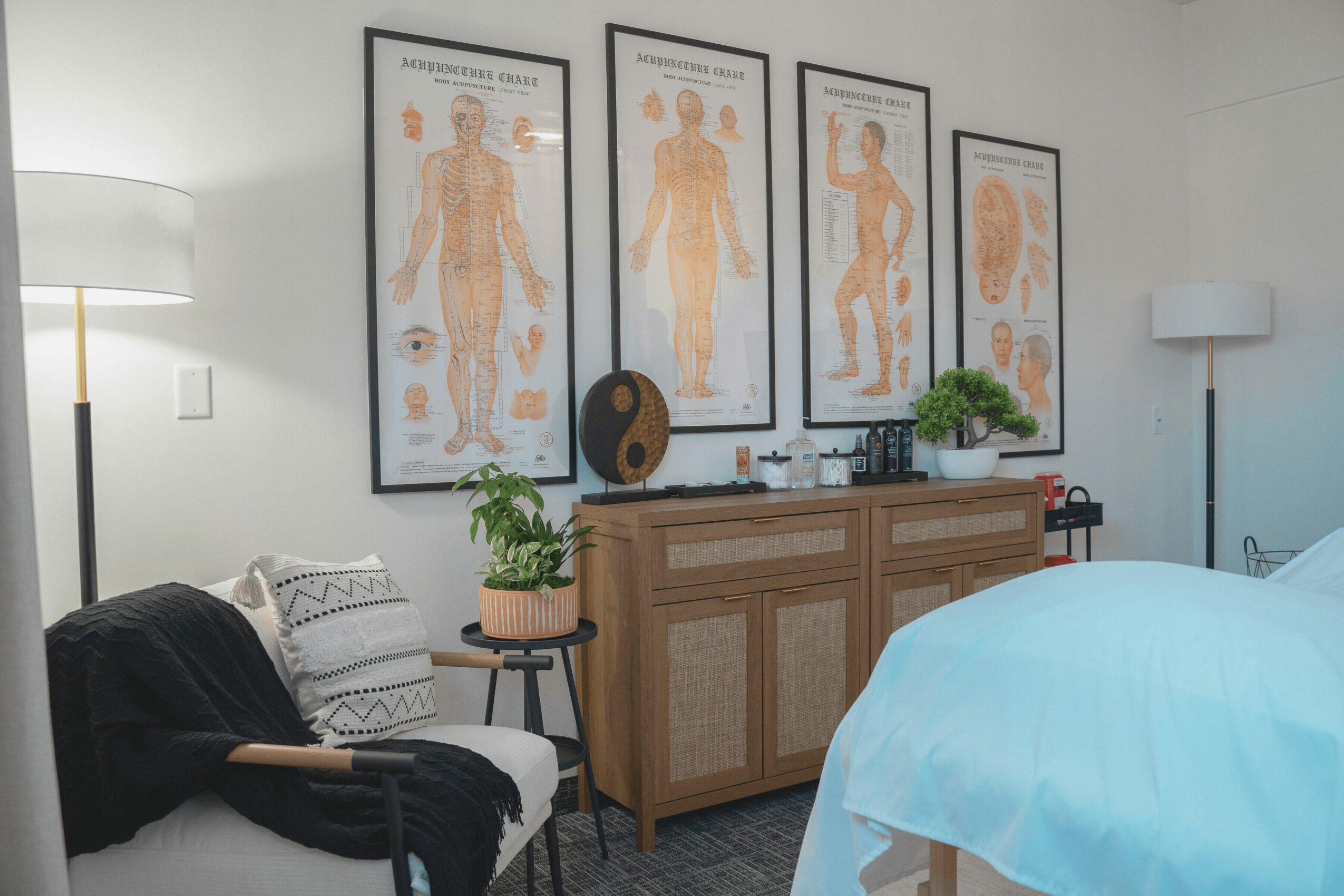
Eastern Blooms Acupuncture is rooted in holistic, patient-centered care. What’s most important to me is creating a space where patients feel heard, understood, and supported. I don’t just treat symptoms — I focus on identifying root causes and restoring balance within the whole person.
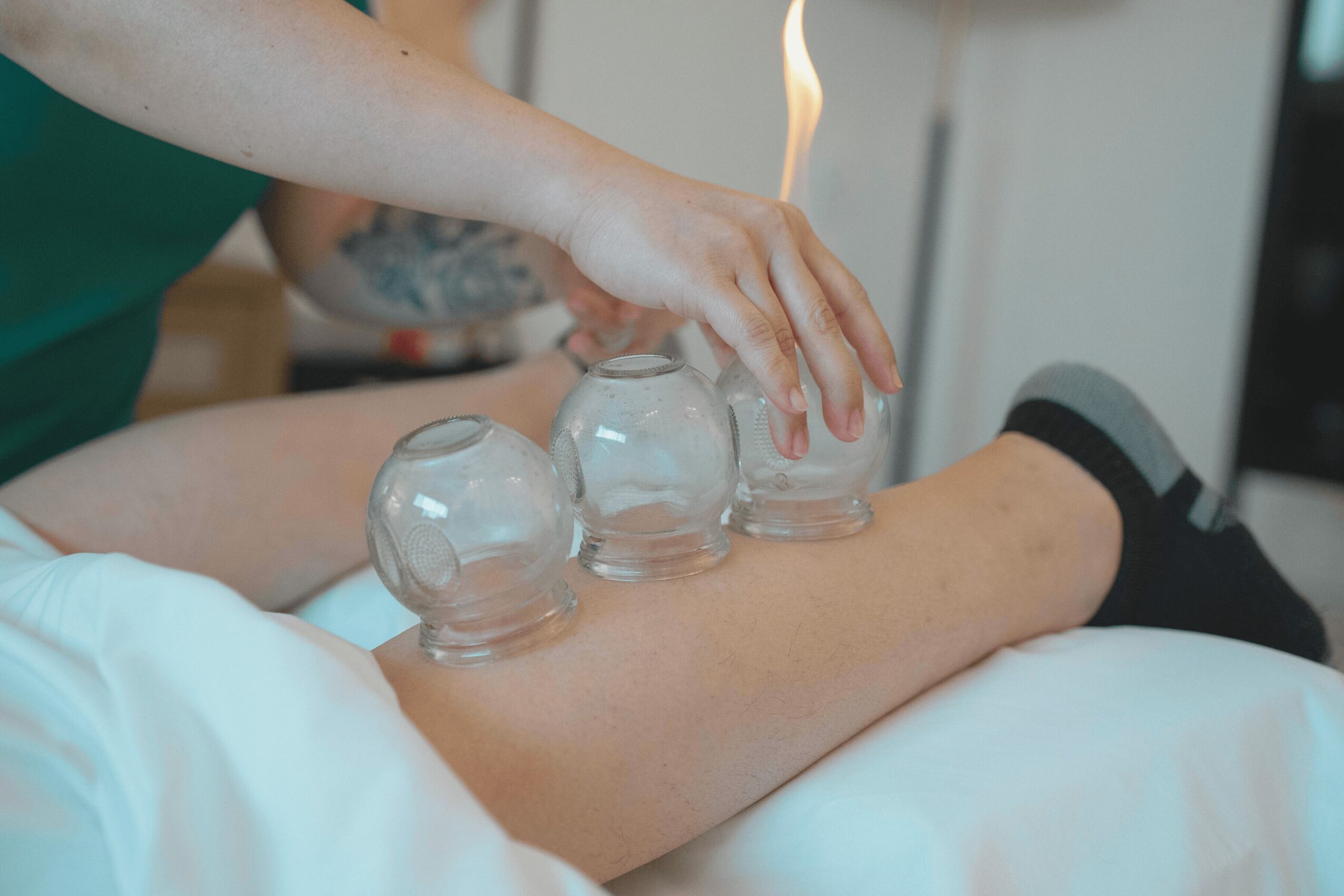
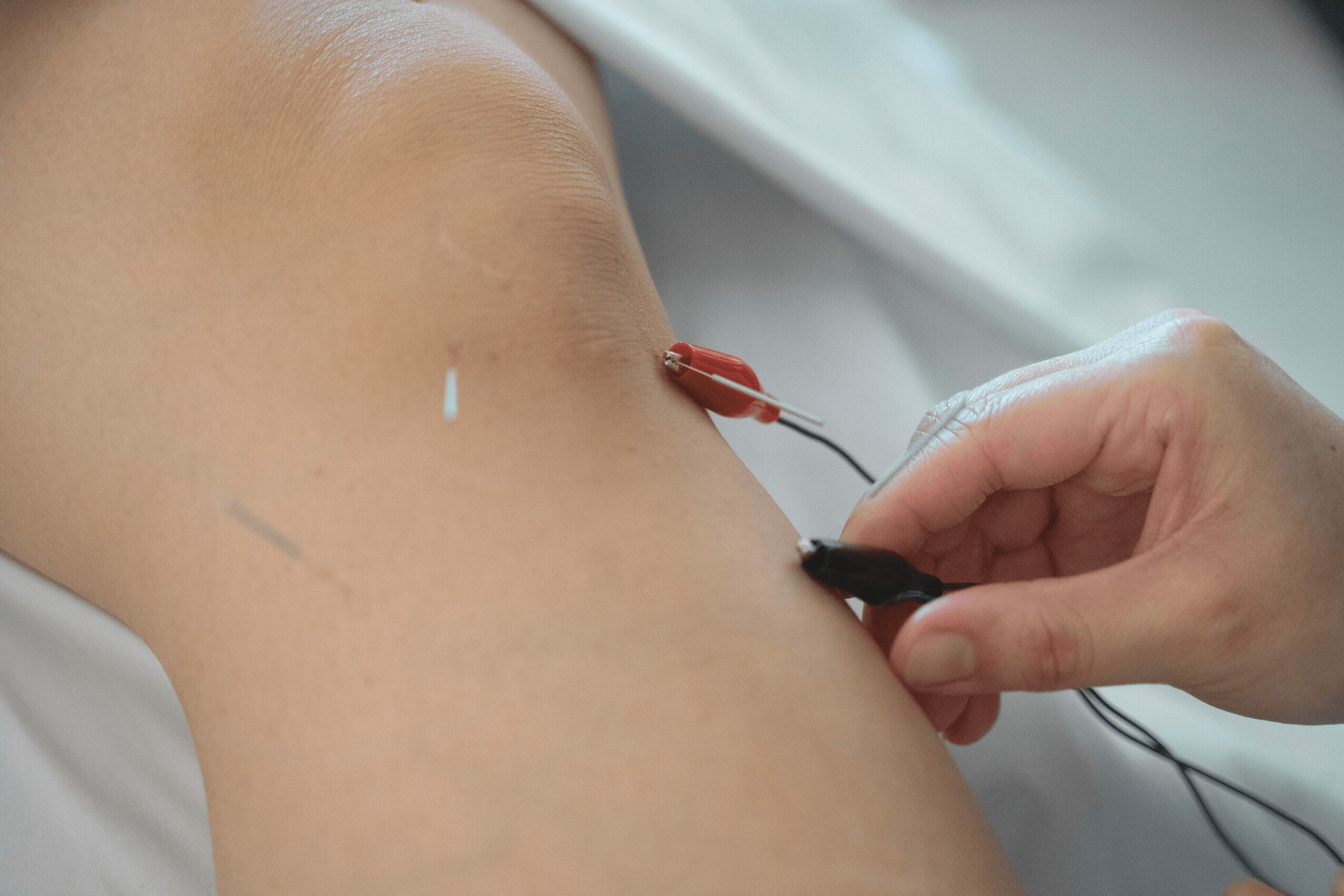
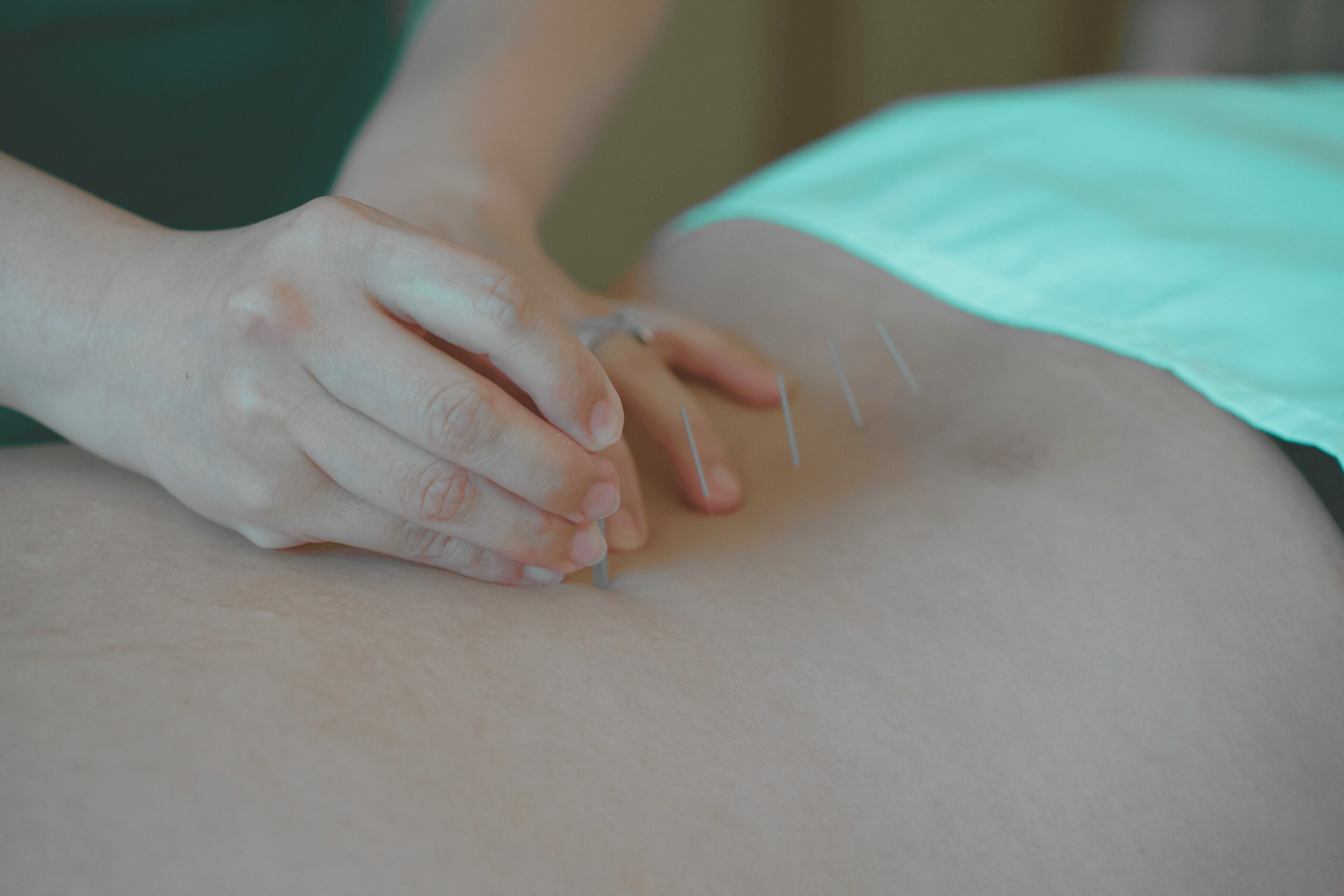
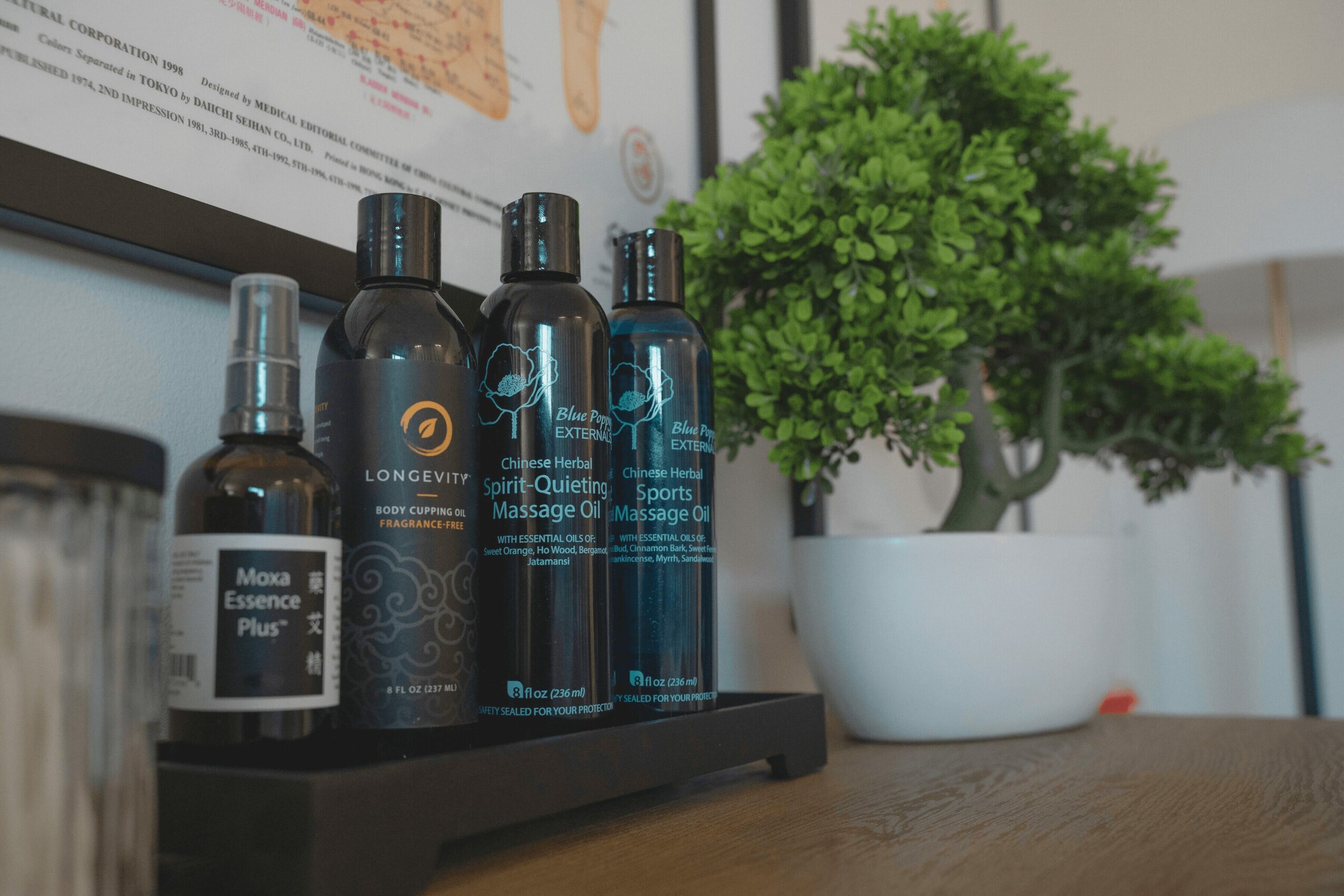
The practice provides a comprehensive suite of Traditional Chinese Medicine therapies, including acupuncture, fire cupping, moxibustion, tuina (Chinese medical massage), gua sha (scraping) therapy, and herbal medicine. Each treatment is designed to support the body’s natural healing abilities, restore balance, and promote long-term wellness.
I specialize in pain management, stress-related conditions, women’s health, digestive issues, and overall wellness support. What sets my practice apart is the integration of tradition and intention. I deeply respect the roots of Traditional Chinese Medicine, and I approach each treatment with that philosophy in mind — individualized, thoughtful, and grounded in balance. At the same time, I value clear communication and patient education. I want my patients to understand what’s happening in their bodies and feel empowered in their healing process.
As a first-generation Hmong American woman, cultural awareness and representation are also central to my brand. I’m proud to offer care that feels accessible and welcoming, especially to communities that may not always feel seen in healthcare spaces. My practice is built on trust, authenticity, and compassion.
Brand-wise, what I’m most proud of is the intention behind everything I do. From the way patients are greeted to how treatment plans are created, it’s all centered on integrity and care. My goal isn’t just short-term relief — it’s long-term balance and sustainable wellness.
What I want readers to know is that acupuncture isn’t just about needles — it’s about restoring harmony, supporting the body’s natural healing ability, and creating space for people to slow down and truly care for themselves.
What was your favorite childhood memory?
One of my most cherished childhood memories—if I had to choose just one—would be the countless evenings I spent watching martial arts films starring Jet Li. I admit I am fangirling a bit, but I have always deeply admired not only his incredible skill and commanding screen presence, but also the discipline, humility, and philosophy that seemed to underpin his characters—both on and off the screen. In his films, he often portrayed individuals guided by honor, perseverance, and quiet strength. Off screen, he carried himself with a calm confidence and dedication to his craft that reflected those same values. To me, those movies were more than just entertainment; they sparked my imagination, instilled an appreciation for discipline and purpose, and helped shape some of my earliest inspirations.
Interestingly, my very first exposure to acupuncture came from his 1993 film Last Hero in China. There is a memorable scene in which his character uses acupuncture needles to treat hearing loss. At the time, I was fascinated by the idea that something as simple and precise as inserting tiny needles could restore function and promote healing. That brief cinematic moment stayed with me over the years, quietly planting a seed of curiosity about traditional medicine and its potential. Looking back, it is amazing to realize how that early impression may have subtly influenced my later interest in the healing arts.
Contact Info:
- Website: https://www.easternbloomsacu.com
- Instagram: https://www.instagram.com/easternblooms.acu
- Facebook: https://www.facebook.com/acu.easternblooms