




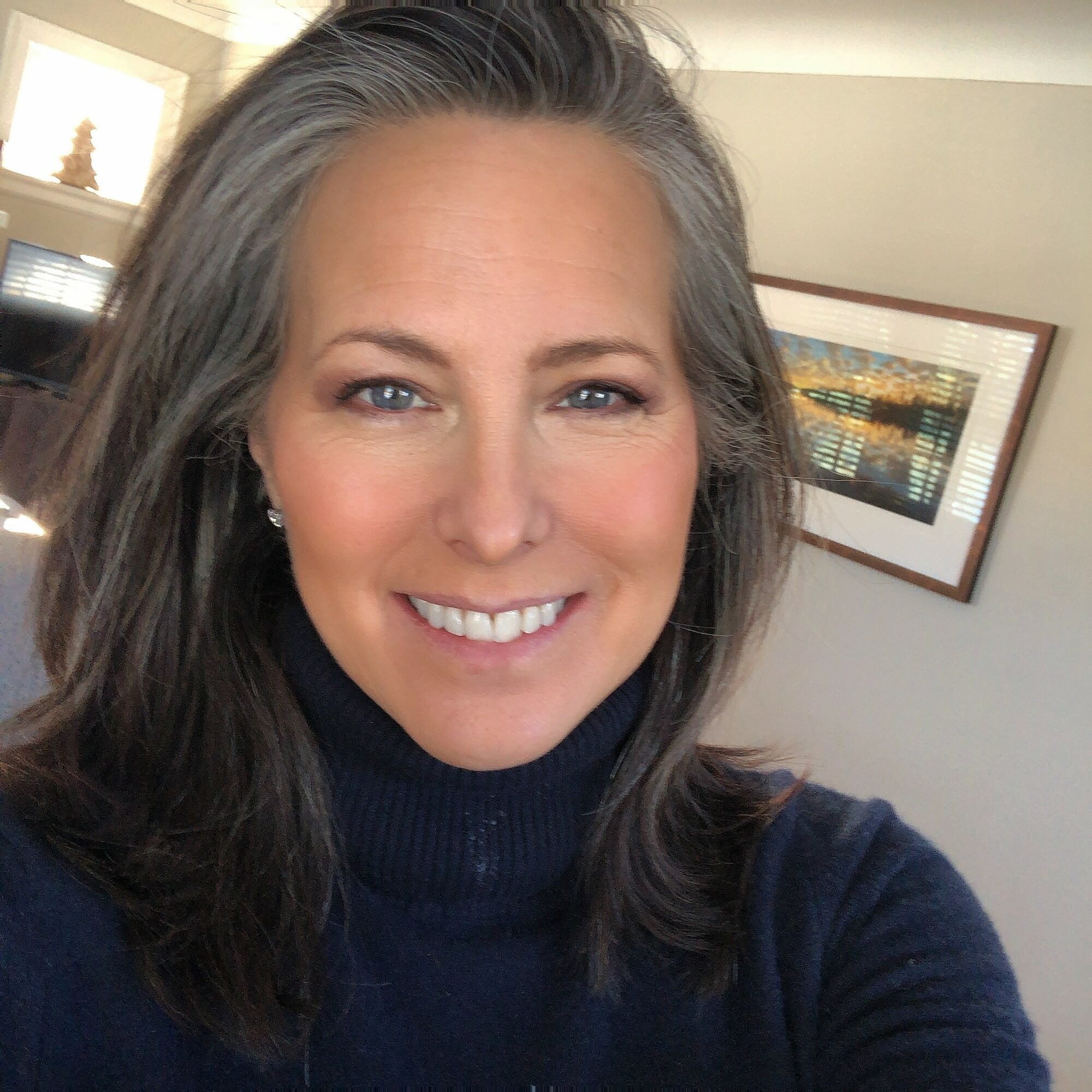
Today we’d like to introduce you to Christina Woods.
Hi Christina, can you start by introducing yourself? We’d love to learn more about how you got to where you are today?
My path to the Duluth Art Institute wasn’t a straight line—it was a calling rooted in creativity, justice, and community. I didn’t just arrive here; I was shaped into this role by a life committed to creating spaces where art meets impact.
Art has always been more than aesthetics for me—it’s been a tool for truth-telling, healing, and reclamation. As someone deeply engaged in issues of equity, Native representation, and cultural memory, I’ve often found myself standing at the intersection of heritage and hope. I’ve built programs, facilitated difficult conversations, and supported artists whose work challenges dominant narratives. Every step was part of a larger story—one that made me realize that my purpose is to help institutions become not just more inclusive, but more honest, more curious, and more rooted in community.
When I came to the Duluth Art Institute, I saw possibility. I saw a place with history and potential, in a city with stories that needed honoring. I saw artists who deserved visibility and spaces that could hold more truth. I wasn’t looking for a job—I was answering a deeper call to help lead transformation.
So much of my work here is about weaving art and equity together—not as parallel goals, but as one shared mission. Whether it’s building relationships, developing new programs, or supporting staff and artists, I’m guided by purpose. I believe institutions can evolve. I believe creative work can move policy and hearts alike. And I believe the DAI can be a powerful force for cultural leadership, rooted in the stories and people of this region.
This is more than work. This is my offering.
We all face challenges, but looking back would you describe it as a relatively smooth road?
Not at all. I stepped into leadership at the Duluth Art Institute in 2017, right after the organization lost a major portion of its foundational funding leading the board to sunset the organization. From day one, I was navigating instability—rebuilding trust with funders, rethinking how we used every dollar, and redefining our role in the community. It wasn’t just about financial survival; it was about rediscovering who we were and why we mattered.
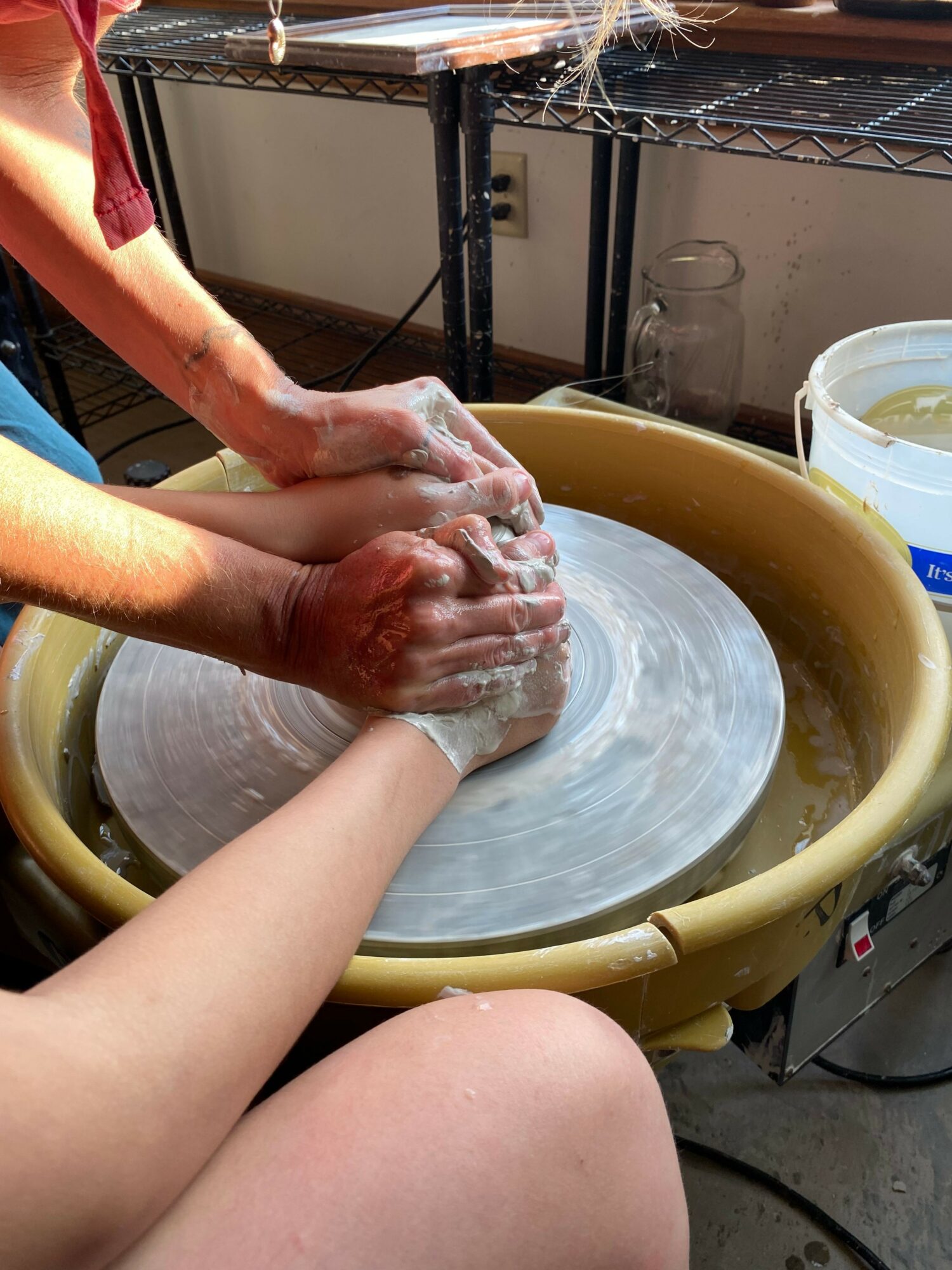
Just as we began to find our footing, the COVID-19 pandemic hit. Like many arts institutions, we were thrown into a new wave of disruption. Programs were paused, events canceled, and audience engagement went virtual overnight. Earned income was the target of keeping our doors. We received specialized permission to keep the ceramic studio open as this was the primary income source for many or our studio artists who rent. The systems we once relied on no longer worked in a disconnected, digital world.
Internally, the challenges were just as complex. Some staff weren’t aligned with the new vision for a more equitable, community-centered, artist-empowered DAI. Others simply couldn’t afford to stay—the wages we could offer didn’t match the cost of living, and we were strapped. That misalignment and loss made the work heavier. It meant navigating turnover, restructuring roles, and holding space for deep institutional transformation—all while managing day-to-day operations and keeping the mission alive.
It’s been exhausting, yes—but also clarifying. These struggles revealed what truly matters: people, purpose, and the courage to lead with integrity. Through it all, I’ve stayed grounded in the belief that this work—centering artists, honoring culture bearers, and building a more just creative ecosystem—is worth it.
The road hasn’t been smooth, but it has been deeply meaningful. Every challenge has shaped my commitment to making DAI a place where art, equity, and community not only coexist—but thrive together.
Alright, so let’s switch gears a bit and talk business. What should we know?
The Duluth Art Institute is more than just a gallery or a classroom—it’s a community space where creativity, culture, and conversation intersect. We’re a small but mighty organization rooted in the belief that art can transform lives, challenge systems, and build belonging. For over 100 years, we’ve served as a cultural anchor in northern Minnesota, but in recent years, we’ve begun to evolve into something deeper and more intentional.
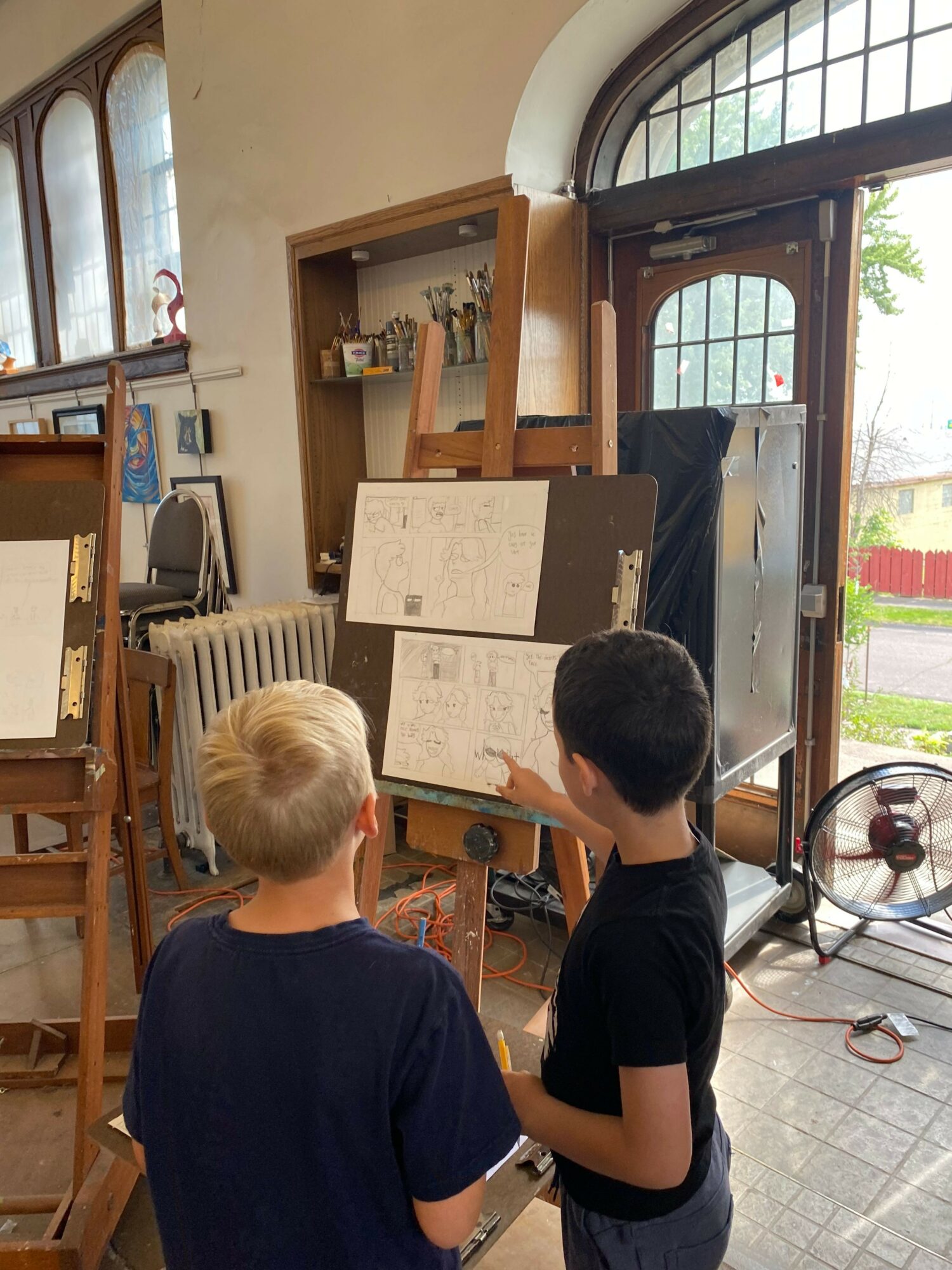
What do we do? We exhibit, educate, and engage. We support emerging and established artists through exhibitions that reflect the world we live in—and the world we’re working toward. We offer accessible classes and workshops for people of all ages and skill levels. And we create space for dialogue across difference, often through the lens of cultural heritage, social justice, and artistic expression.
We specialize in relationships. Our work is artist-centered and community-driven. We’re known for taking risks, telling the truth, and holding space for complexity. We’re not afraid to ask hard questions about whose stories are being told, who has access to resources, and how art institutions can better serve their communities. That’s what sets us apart.
Brand-wise, I’m most proud of how we’ve leaned into equity—not as a buzzword, but as a commitment. We’ve shifted our programs, our partnerships, and even our leadership practices to reflect our values. We’re working with Native and BIPOC artists not just to exhibit their work but to co-create opportunities, reshape narratives, and build power. That’s not typical in this field—and it’s the work I believe in most.
For anyone reading this: know that the Duluth Art Institute is a place for artists, culture bearers, and curious people. Whether you’re picking up a paintbrush for the first time or leading a movement through your creative work, you are welcome here. We’re building something that honors both history and possibility—and we invite you to be part of it.
Is there anyone you’d like to thank or give credit to?
Absolutely—no one gets here alone, and in Native communities, we understand that success is rarely an individual journey. It’s a collective path shaped by relationships, reciprocity, and those who came before us.
I carry deep gratitude for the aunties, elders, and culture bearers who have poured into me—not always with formal titles, but with quiet consistency, honest reflection, and cultural grounding. They reminded me of who I am, especially when systems tried to convince me otherwise. Their guidance helped me lead with integrity, speak truth even when it’s hard, and always keep community at the center.
Mentors within both Native and allied spaces also helped me navigate institutional waters—teaching me how to hold the line, build partnerships, and advocate effectively. Cheerleaders and friends reminded me to rest, to celebrate, and to laugh, because joy is resistance too. Teammates and clients who trusted me with their stories or collaborated on vision-driven work pushed me to grow and deepen my practice.
I also want to acknowledge the Duluth Art Institute (DAI) team. Their dedication, collaboration, and shared commitment to honoring culture and community have been vital to our collective success. The DAI team’s support, creative energy, and openness have allowed me to bring forward projects with integrity and impact, making the work stronger and more resonant.
Every project I’ve led or contributed to carries the fingerprints of those relationships. That is how we move: not as solo acts, but in relation to one another. Their wisdom, support, and belief in me continue to shape both my work and my sense of purpose.
Contact Info:
- Website: https://www.duluthart.org
- Instagram: @duluthart
- Facebook: https://www.facebook.com/duluthartinstitute
- Youtube: @getduluthart