



Today we’d like to introduce you to Jessalyn Finch.
Alright, so thank you so much for sharing your story and insight with our readers. To kick things off, can you tell us a bit about how you got started?
I’ve been a professional artist since 2018, something I never actually planned on. A near-death experience made me realize how much I regretted not creating. I have a Bachelor of Science in Fine Arts and Eastern Philosophy—I started out as a pre-med student before switching majors. After graduation, I earned a Master’s in Project Management and worked in healthcare for nearly a decade. Alongside that, I taught yoga and mindfulness, trying to live a “normal” (or at least adjacent) life.
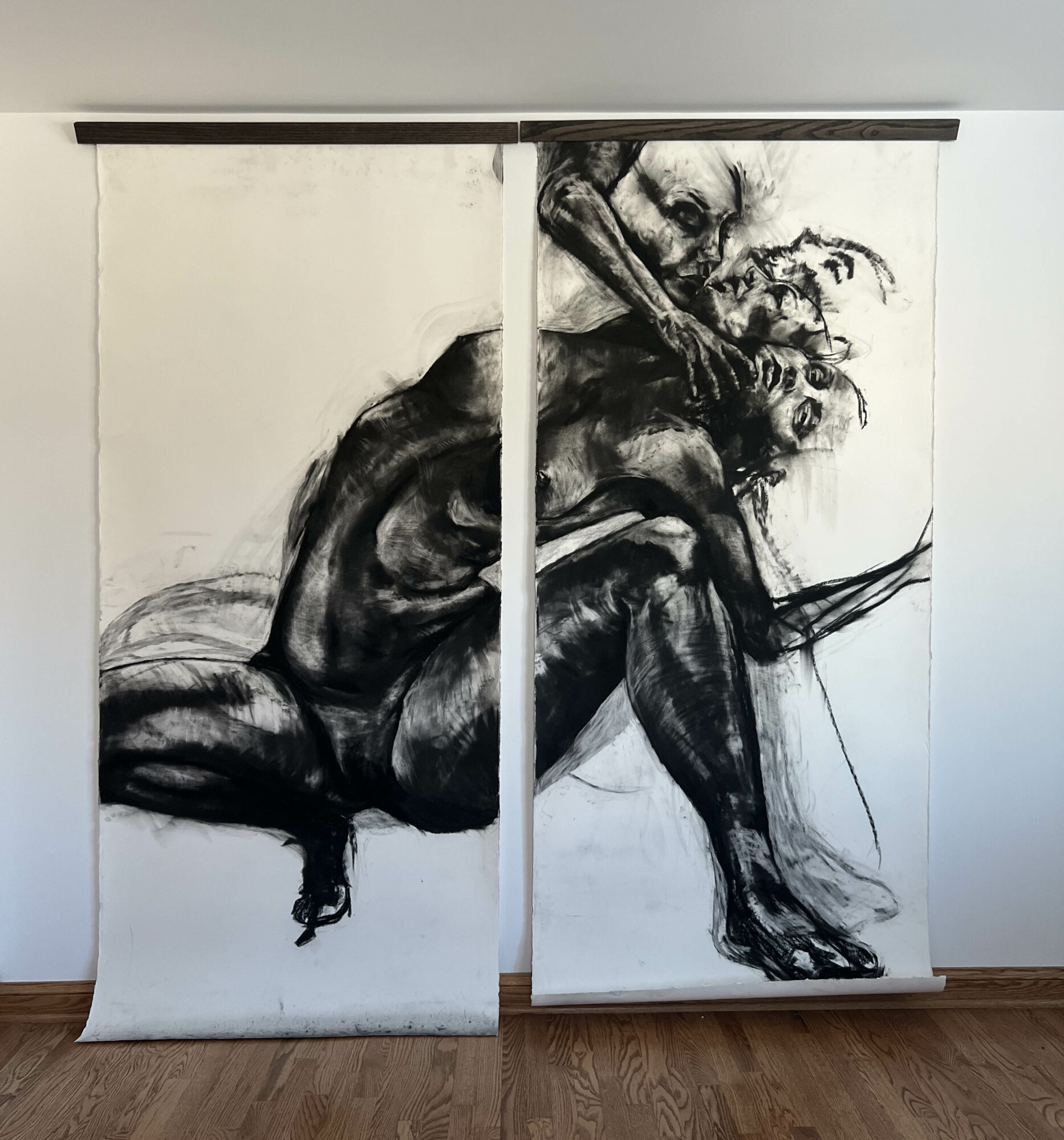
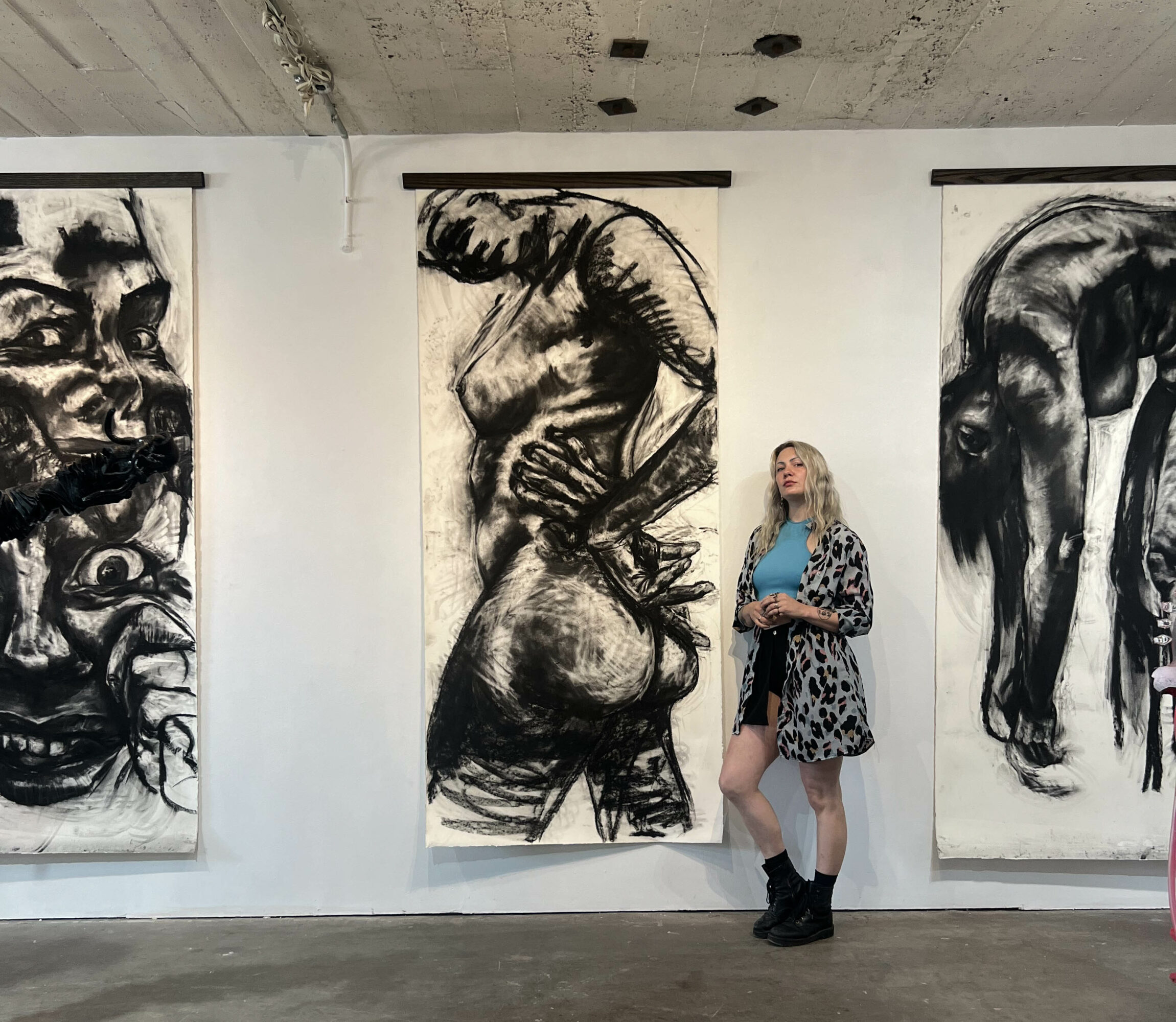
When I made the leap into the arts, I started with large-scale charcoal drawings. My first major collection, Shadowform: The Human Body’s Secret Life, explored our relationships with our bodies. I interviewed community members about their personal stories and created life-size portraits that reflected themes from our conversations.
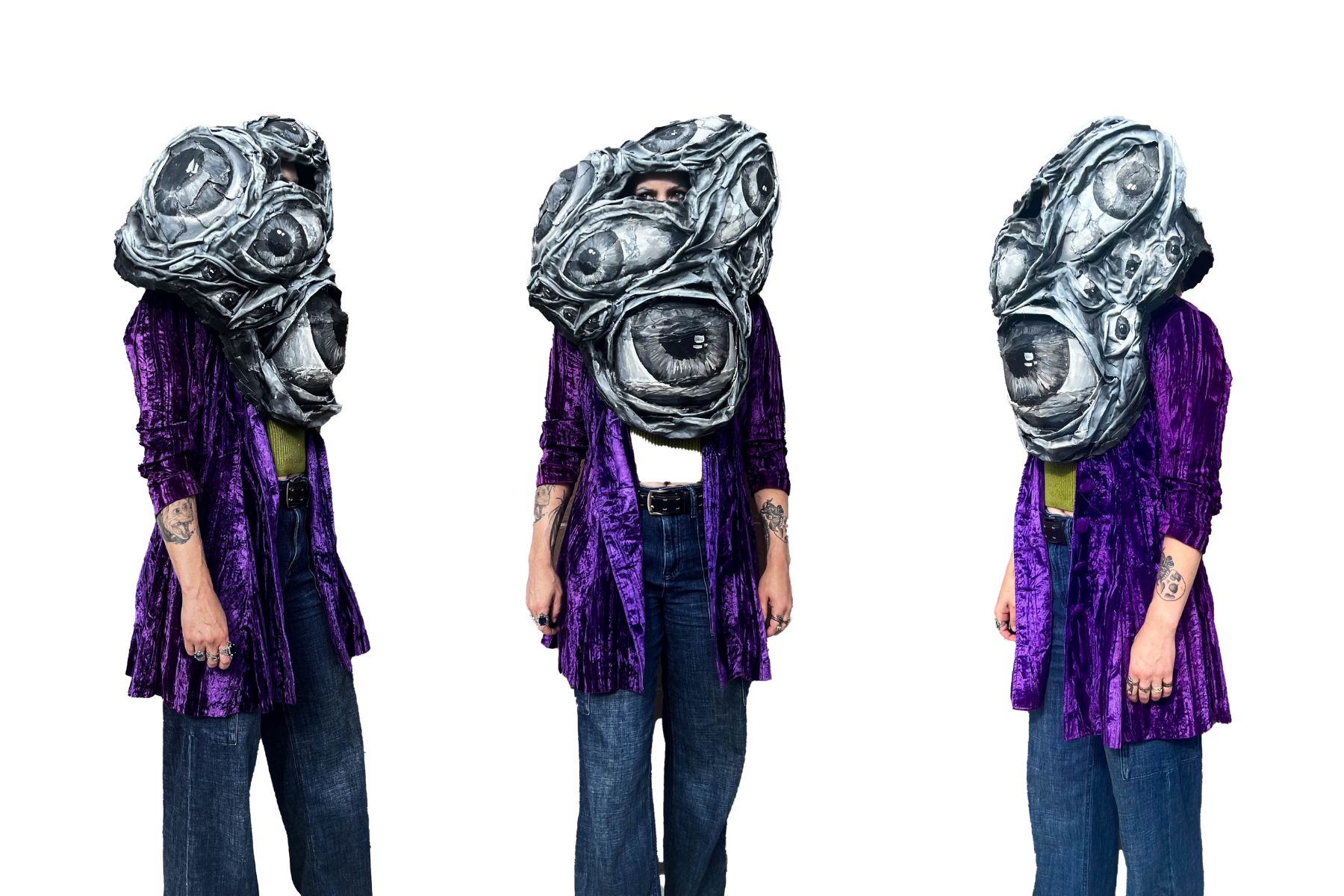
Then the pandemic hit. I couldn’t work with people directly, and I got really bored. I started building things out of materials I had around the house—mostly cardboard boxes from deliveries. That’s how I developed a new sculpting method using torn cardboard and hot glue. I created wearable pieces and staged outdoor “living sculpture garden” installations where actors wore the sculptures and people could walk through—always six feet apart, of course. That series explored voyeurism, and how it feels when art stares back at you, mirroring our shift to seeing people primarily through screens.
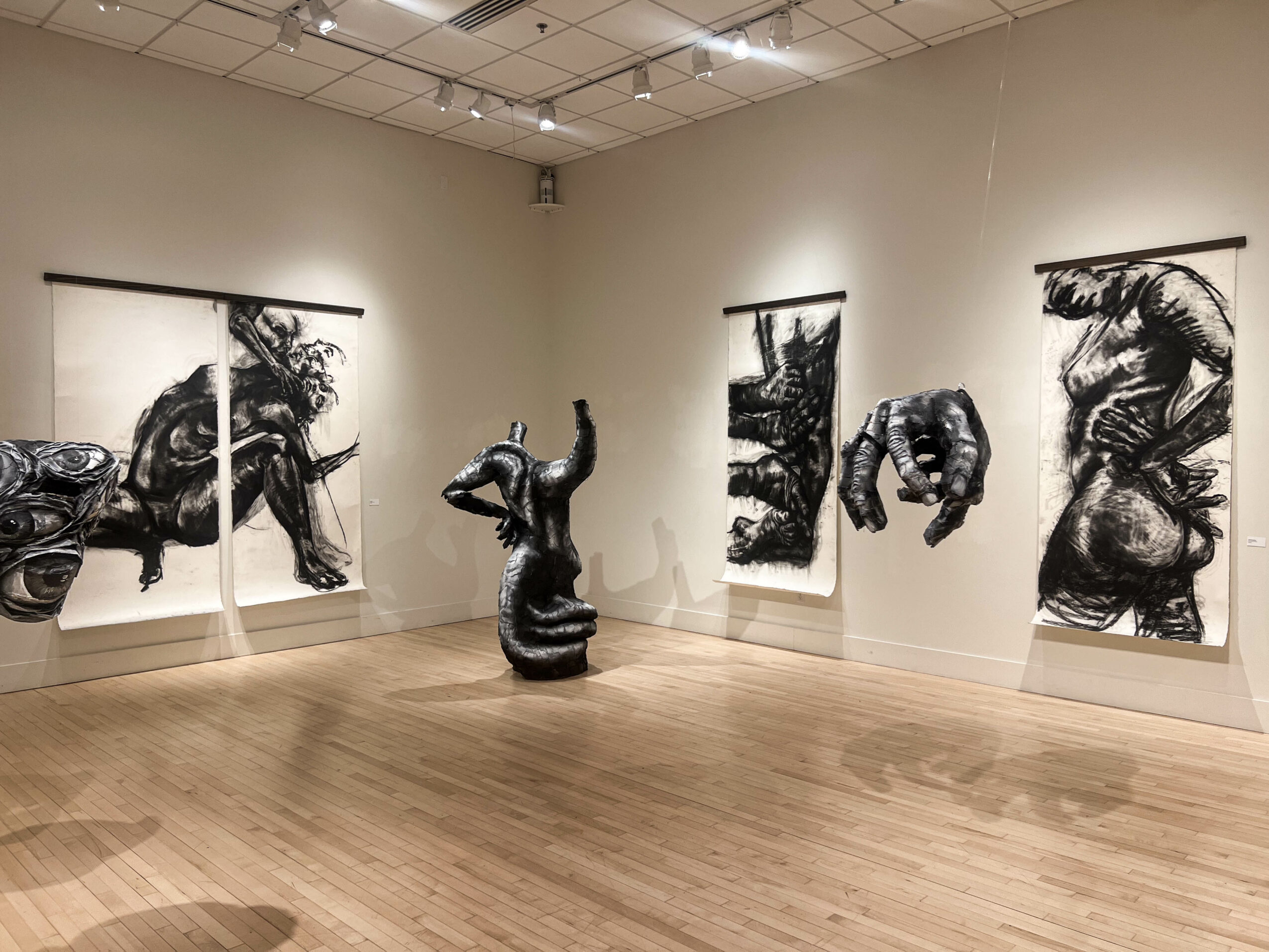
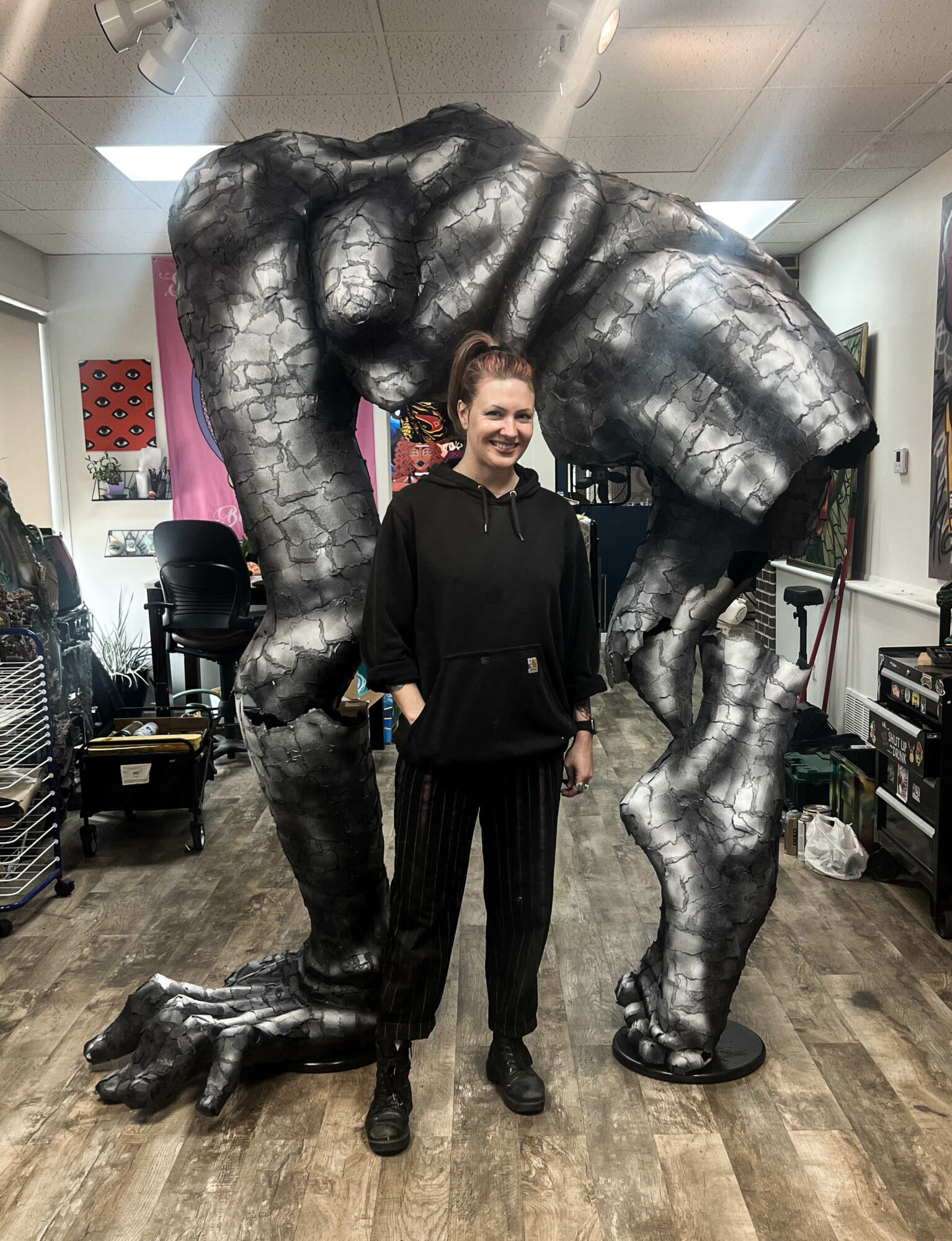
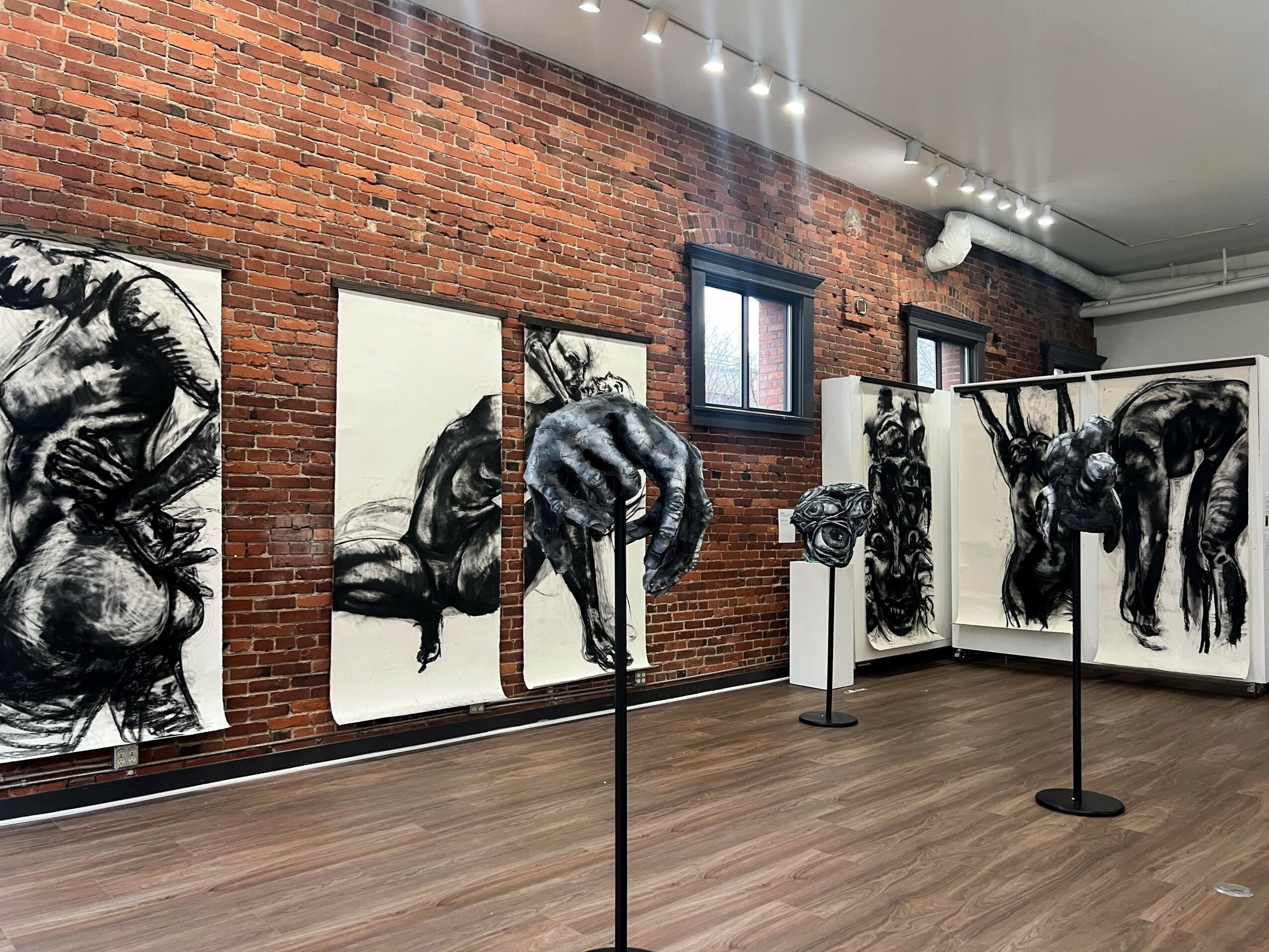
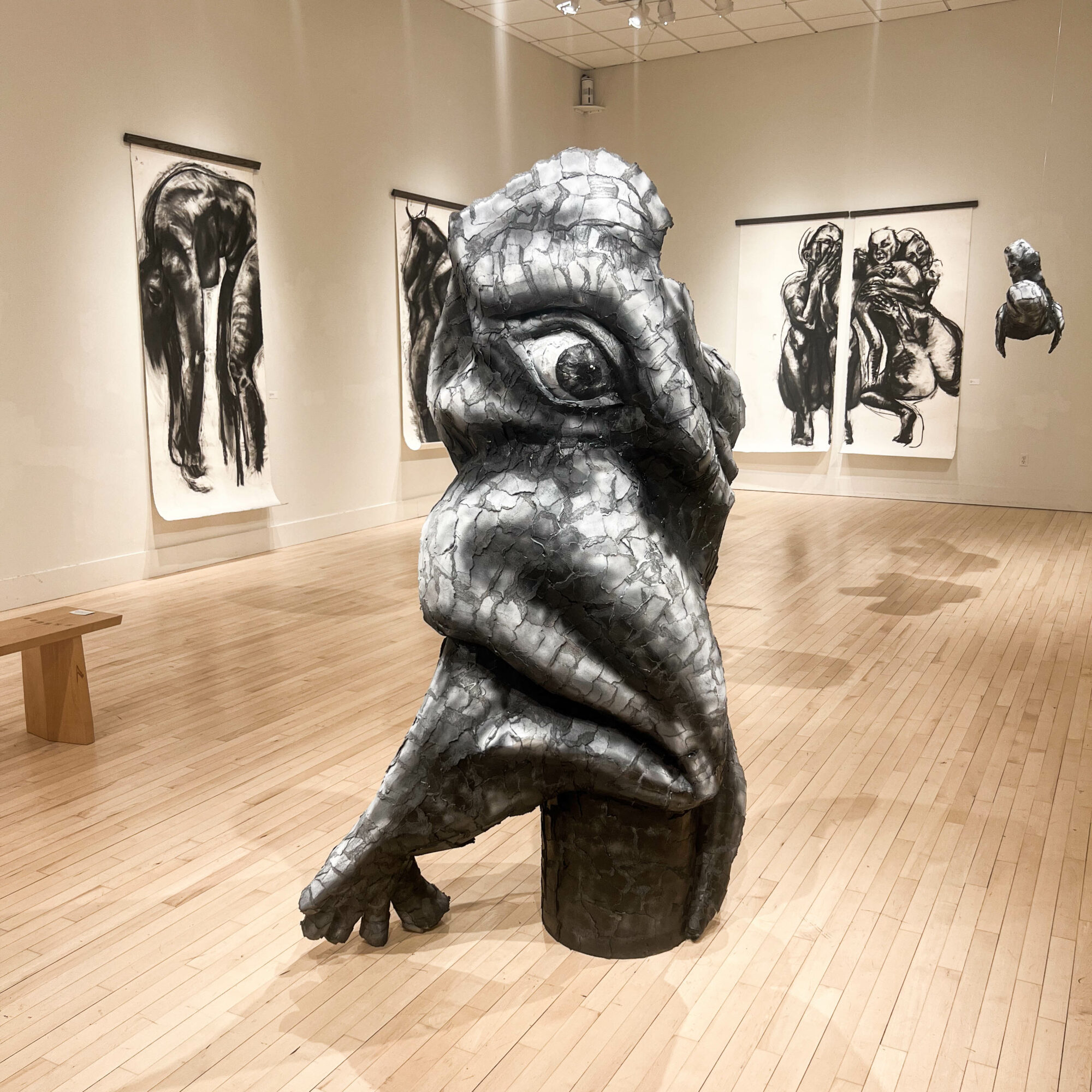
My career really began to gain momentum last year, when I was accepted into the NE Sculpture | Gallery Factory artist residency. There, I began combining my drawing and sculpture work in a new collection focused on my own experience with body dysmorphia, self-perception, and identity. I learned to build large-scale, free-standing sculptures that deconstruct anatomy, echoing the fragmented way we remember our bodies. These were paired with wearable pieces for audiences to interact with, and large drawings that sit somewhere between realism, movement, and surrealism. Anatomy has always been my visual language. It allows me to tell stories about pain, memory, and identity, especially as someone navigating chronic pain and mental health.
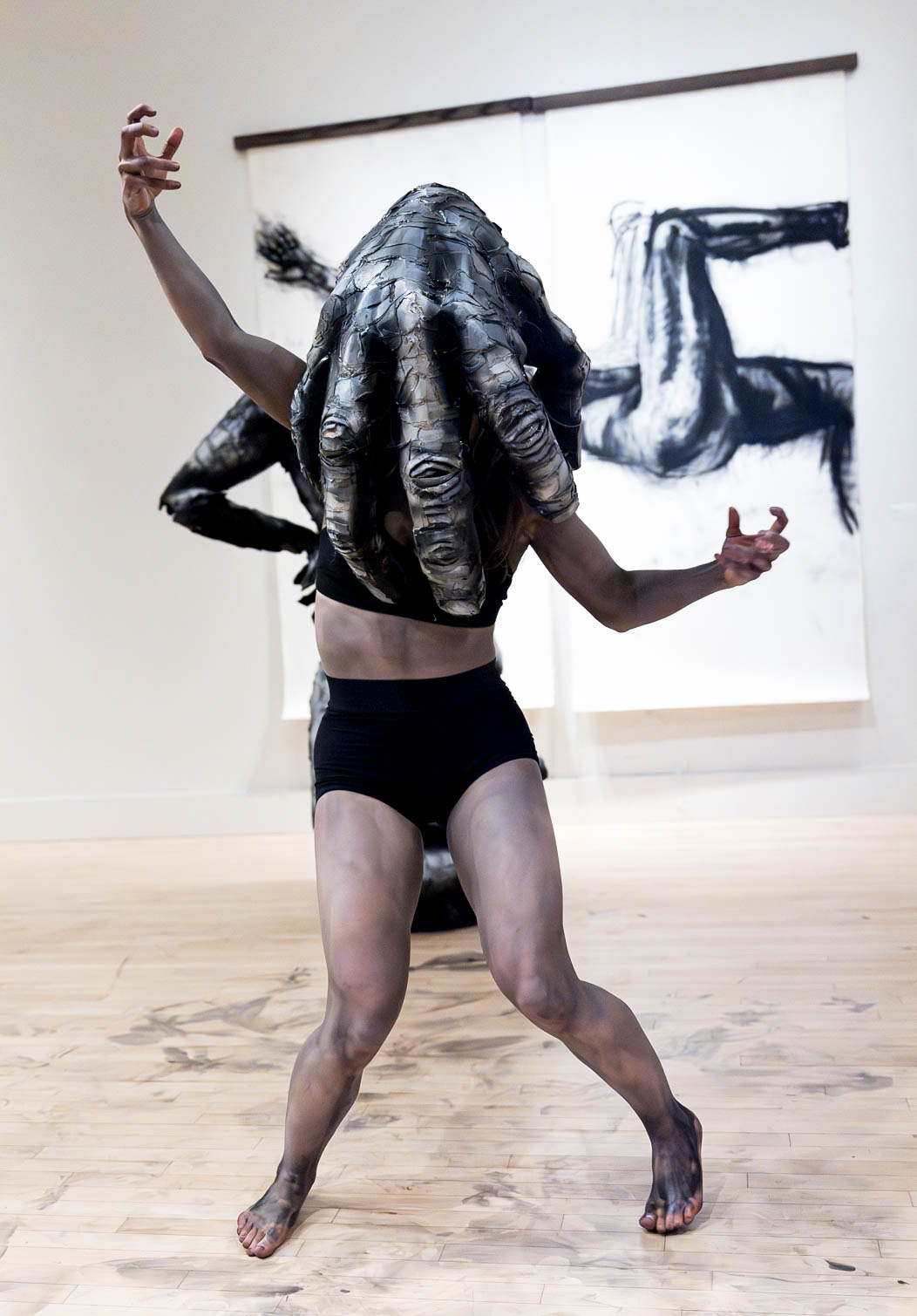
I started 2025 with a debut show at Slip Gallery in Seattle, followed by exhibitions at Artistry MN (Bloomington. MN), Threshold Arts and the Chateau Theatre (Rochester, MN), and Caledula Gallery (St. Paul). I’ve also begun collaborating with modern dancers to create performance-based experiences, where dancers wear and interact with the sculptures, further blurring the line between viewer and art.
At the heart of everything I create is a desire to reflect, stay curious, and connect. That drive keeps evolving, and I’m excited to see where it leads next.
Can you talk to us a bit about the challenges and lessons you’ve learned along the way. Looking back would you say it’s been easy or smooth in retrospect?
A career in the arts definitely comes with its challenges. For me, one of the biggest has been finding ways to expand my reach, especially since my work is large-scale and often features nudity. Traditional group or community exhibitions don’t always align with my pieces—whether due to size limitations or restrictions around imagery. But those limitations have pushed me to think more creatively. They’ve led me to explore alternative paths, like building my own exhibitions and collaborating with other artists and performers. In many ways, the roadblocks have sparked some of my most innovative work.
Thanks – so what else should our readers know about your work and what you’re currently focused on?
I specialize in large-scale charcoal drawings on paper, often featuring expressive figures with surreal anatomical elements. My drawing style blends realism, bold gestural movement, and surrealism, creating works that feel both grounded and dreamlike.
In addition to drawing, I’m a self-taught sculptor. I developed a unique sculpting technique using torn cardboard and hot glue, creating everything from large, freestanding forms to wearable pieces used in performance. Most of my sculptures are free-form, though some of the larger ones use structural cardboard tubes for internal support. These works are anatomy-based, inspired by fragmented memories of my own body. Because memory is such an unreliable archive, the forms often appear deconstructed, surreal, and abstracted.
I’m especially proud of how I’ve pushed these materials, charcoal and cardboard, into unexpected realms. My drawings are often mistaken for paintings, and my sculptures for something industrial. I love that paper and cardboard, so often seen as fragile or temporary, can be transformed into bold, large-scale work. I’ve stayed committed to these unconventional materials, even when there was pressure to shift to more traditional or marketable media.
What also sets my work apart is my dedication to crossing boundaries between disciplines. I often bring my visual art into dialogue with performance, improv, dance, and fashion. I don’t believe fine art belongs in a box, it should move, breathe, and evolve across spaces and mediums. Innovations happen in the overlaps.
What matters most to you? Why?
What matters most to me is human vulnerability and connection. Through my art, I explore what it means to be human, to exist in a body we didn’t choose, navigating the complexity and beauty of that experience. That dissonance between self and body is something I believe we all share, even if we rarely talk about it.
In a world that often focuses on the surface, I’m drawn to what lies beneath: the raw, honest moments of joy, grief, curiosity, and pain. Our bodies and minds are the homes we inhabit for this lifetime, and making space to reflect on that can be incredibly grounding.
Art gives me a way to connect with others through that shared vulnerability. It creates space for conversations, for trust, and for a sense of belonging, something I think we’re all craving, whether we realize it or not.
Contact Info:
- Website: https://www.JessalynFinch.com
- Instagram: @JessalynFinch
- Facebook: @JessalynFinchArt