




Today we’d like to introduce you to Melodee Smith.
Hi Melodee , thanks for joining us today. We’d love for you to start by introducing yourself.
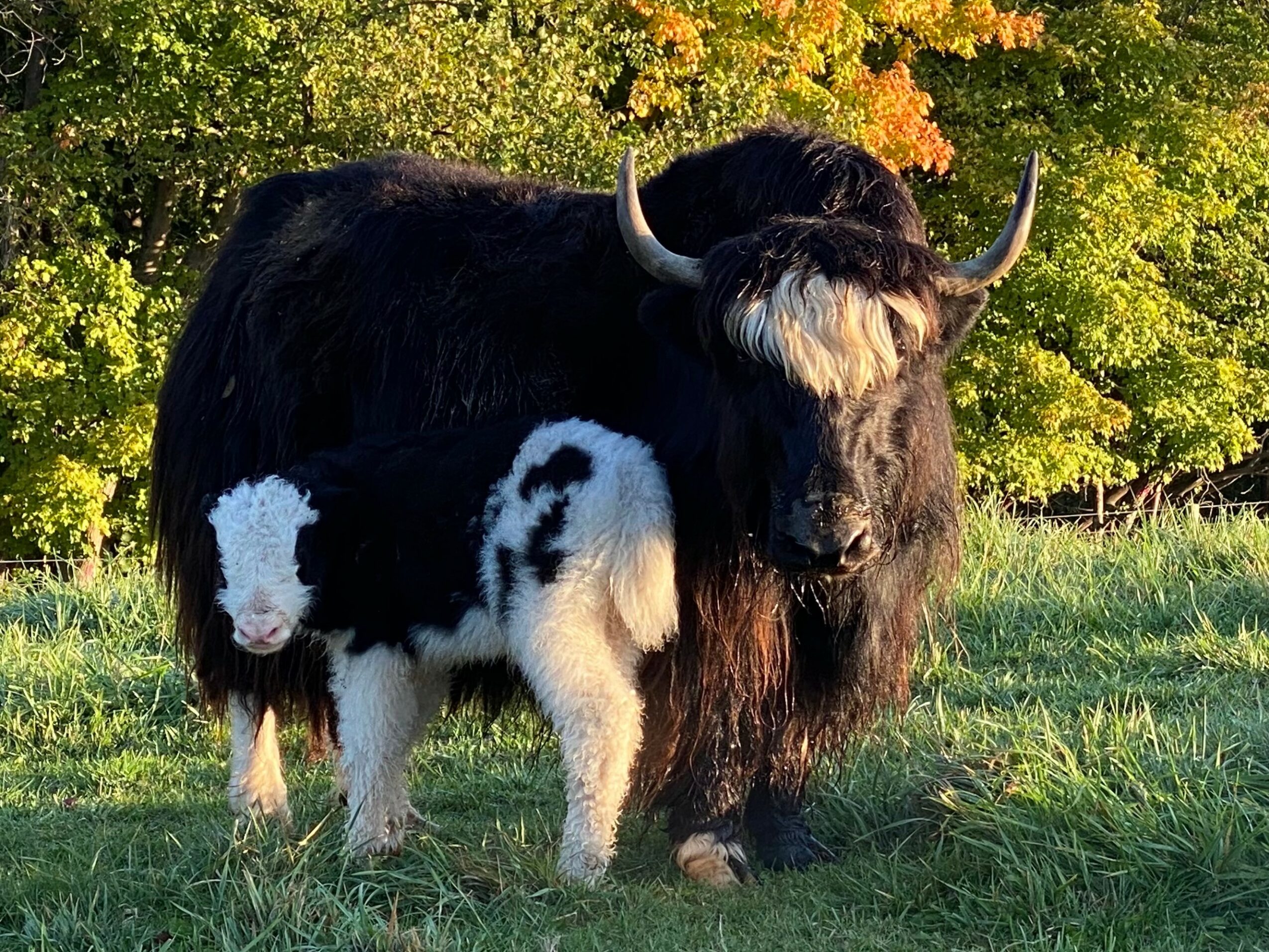
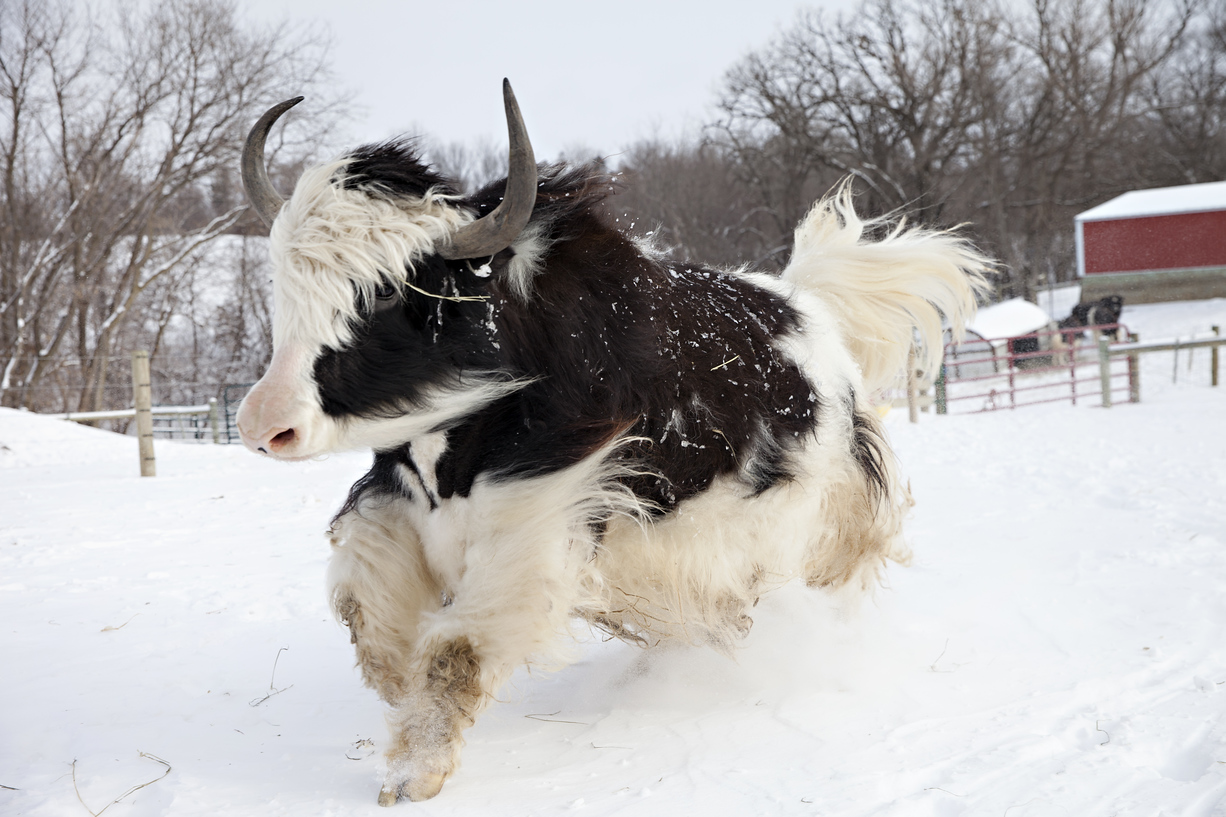
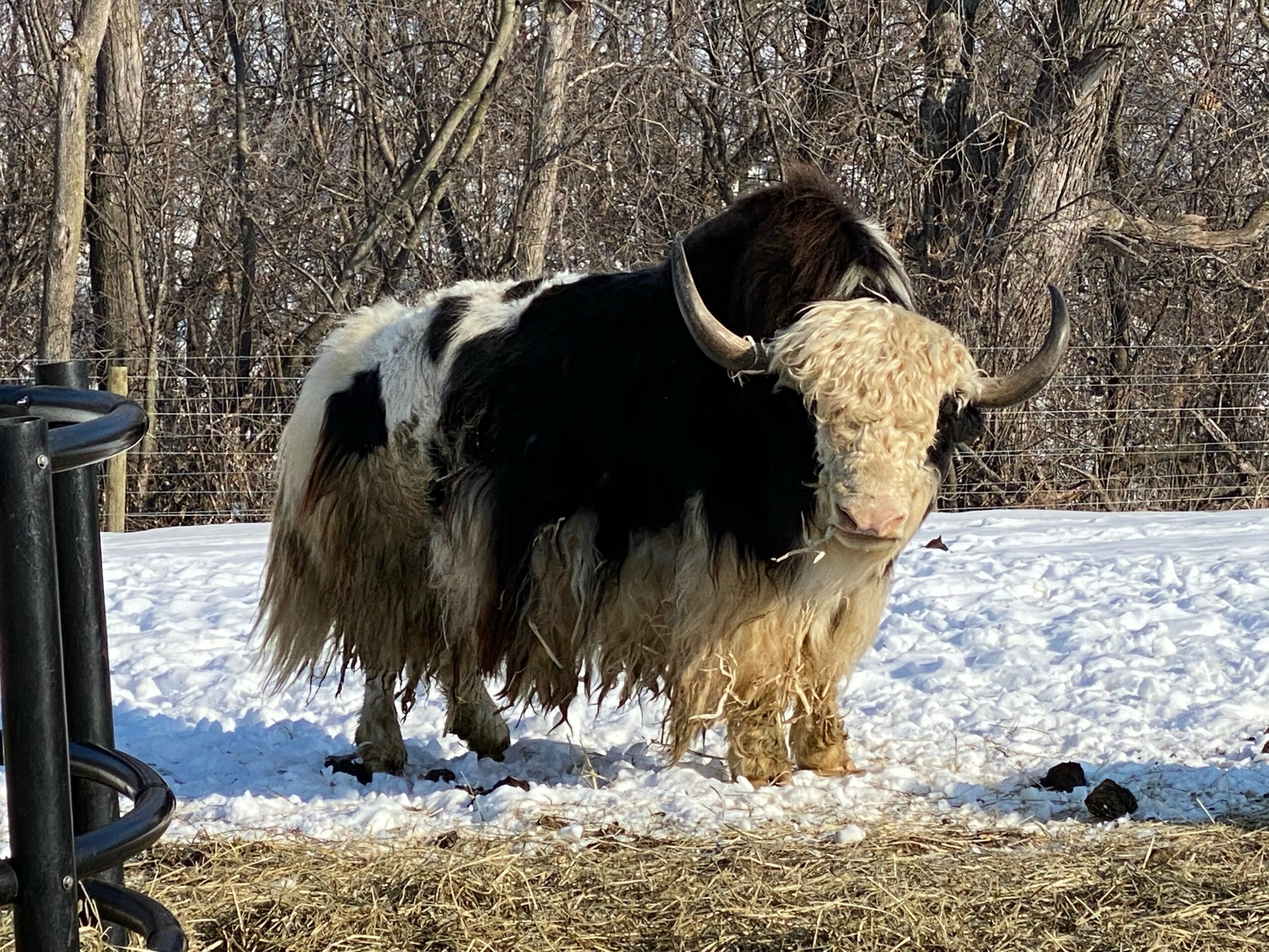
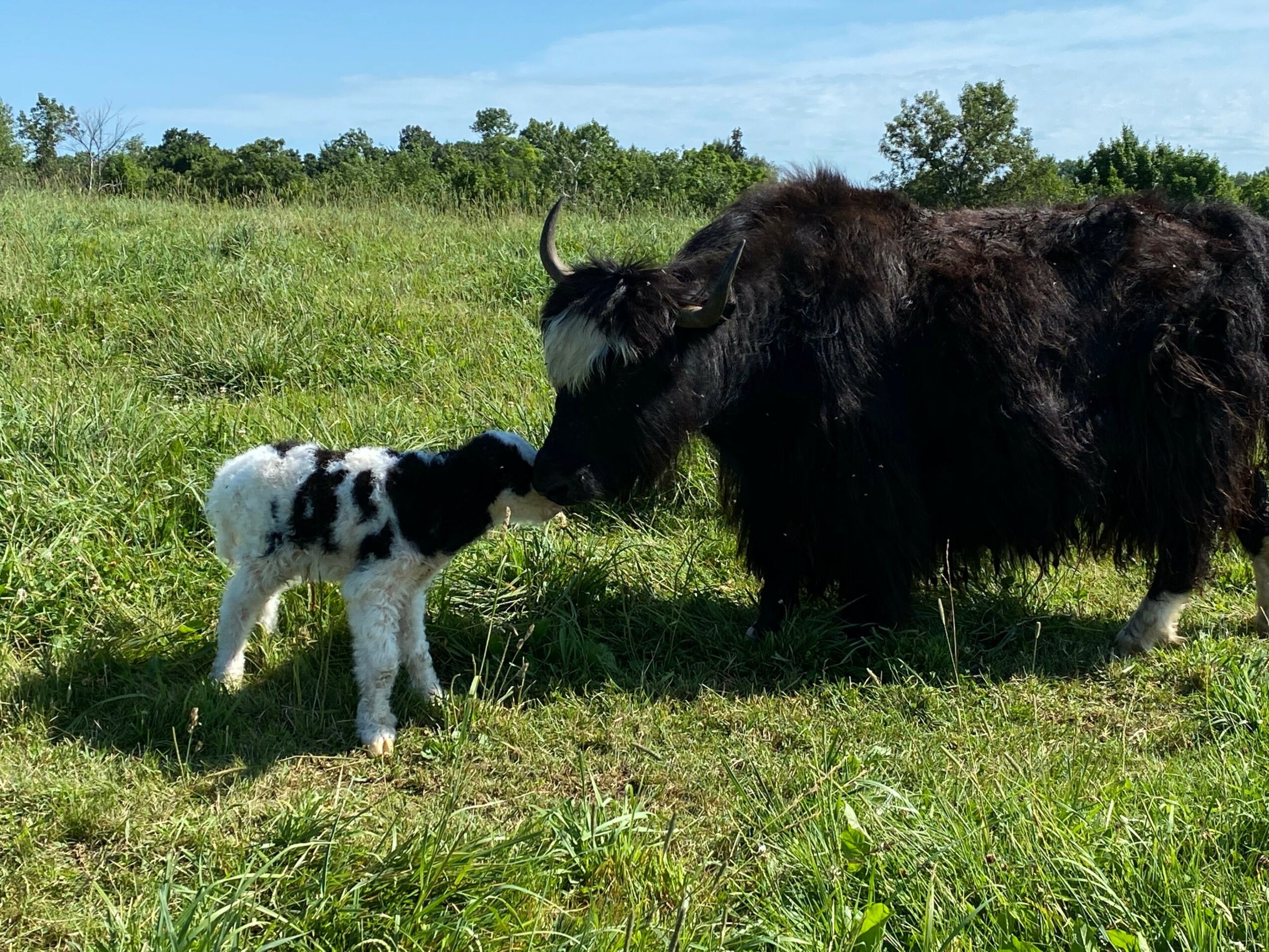
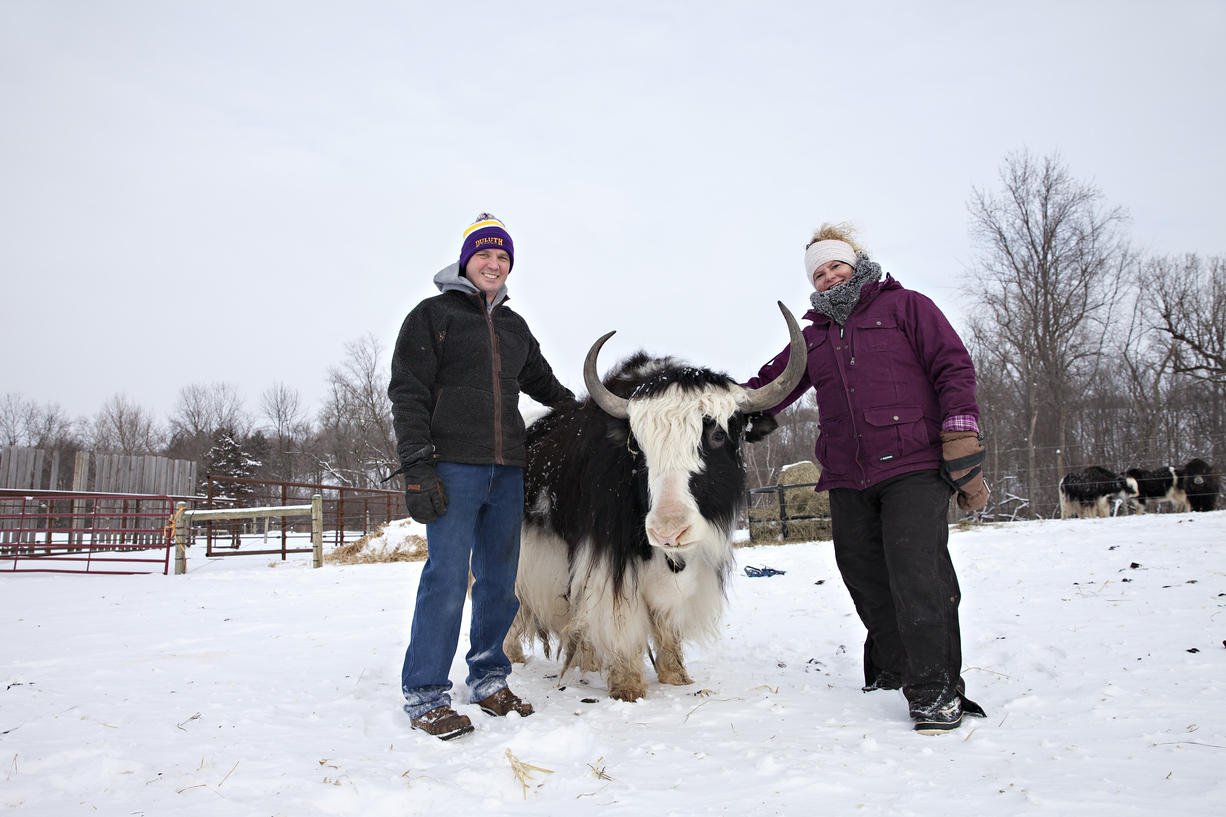
We got into yaks in 2012 when we were looking for animals that were unique, multi purpose, potentially profitable, sustainable on a small acreage and most important……….edible. Yaks checked all those boxes and here we are 14 years later still living the dream. Our initial yak herd had 1 bull, 5 cows and 1 calf. Today that number is around 40. We keep the herd number under 50 in order to be sustainable. Our 40 acres produces enough hay and fresh pasture to feed the yaks year round. Yaks eat very little because they are extremely efficient with what they do ingest. Native to the Tibetan Plateau in Mongolia, where vegetation is sparse, yaks are naturally efficient with their food intake. This trait makes yaks a wise choice for small acreage. Here in Minnesota I can graze 3 yak to 1 acre compared to 1 angus beef needing 3 acres. Yak meat is the new paleo approved red meat as it is high in protein, low in cholesterol yet high in omega threes and flavor. Yak has a unique taste that is comparable to bison yet a bit lighter without any gaminess. Currently we sell our yak meat to a couple restaurants and food co-ops. We have supplied several starter yak herds to people in the upper Midwest region looking to get into the yak business.
Can you talk to us a bit about the challenges and lessons you’ve learned along the way. Looking back would you say it’s been easy or smooth in retrospect?
The biggest challenge with raising yaks in the United States is that the genetic pool is very shallow. Congenital birth defects are common making it important to do research to keep the genetics healthy. Switching out herd bulls every 2 years is important to keep from inbreeding. Nevertheless, cleft palates, deafness and poor leg confirmation have all reared their ugly heads.
Appreciate you sharing that. What else should we know about what you do?
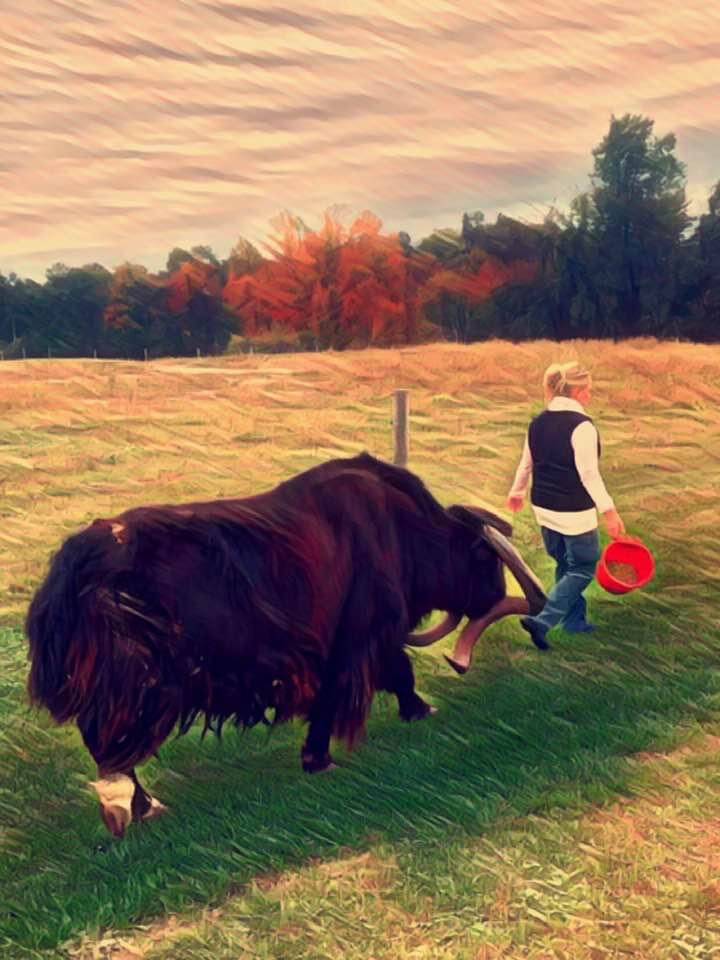
Being a yak farmer in Minnesota sets us apart in a big way. Most livestock farmers raise traditional beef, dairy cows, pigs or sheep.. When we got into yaks 14 years ago, our neighbors looked at us sideways but eventually grew to appreciate and admire the uniqueness of our yaks. In 2019 one of our yaks named Jericho became the Guinness World Record holder of the longest yak horns on the world. His horns measured over 11 feet long tip to tip. He is in the 2021 and 2025 Guinness World Record Book.
How do you define success?
I define success by peace and joy. To be able to live on a beautiful farm with such delightful animals is truly living the dream. Time spent interacting with the herd and tending to the land fills my cup.
Pricing:
- Private tours can be booked. $50 per tour with a minimum of 2 people. Each additional person is $10
- Started yak herds vary in price.
- Ground yak meat is $12 per pound, yak hotdogs are $20 per package, yak snack sticks and jerky are $15 per pound
Contact Info:
- Website: www.Clearspringfarmyaks.com