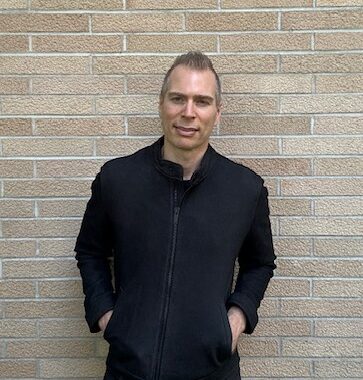






Today we’d like to introduce you to Nate Van Heuveln.
Hi Nate, we’re thrilled to have a chance to learn your story today. So, before we get into specifics, maybe you can briefly walk us through how you got to where you are today?
I grew up in West Central Minnesota. I had some really good support as a young person, but I also went through some difficult experiences that shaped me from childhood into early adulthood.
Along the way, I had the chance to work with social workers, psychologists, and therapists who helped me through some of those challenges. Of course my grandmother and a few teachers were very impactful on me as well. They made a big impression on me. Even when I was fairly young, I had a sense that I wanted to become some kind of helper. I did not know exactly what that meant yet, but I could picture myself becoming a therapist or doing something where I could help people make sense of difficult things.
My path was not especially direct. In early adulthood, I went to college, traveled overseas, and worked in a pretty wide range of jobs. Some were manual labor jobs and some were knowledge-worker roles. I have always liked to work, and I think those experiences helped me understand how much work can affect a person’s identity, confidence, stress level, relationships, and overall quality of life.
I eventually earned a master’s degree in industrial-organizational psychology and spent close to a decade working in that field. That gave me a deeper interest in workplace dynamics, career development, leadership, job satisfaction, and the way organizations affect people.
Around 2020, I decided to go back to school for a second master’s degree in clinical mental health counseling. In some ways, it felt like circling back to something I had known for a long time. I wanted to work with people more directly and help them through difficult periods in their lives.
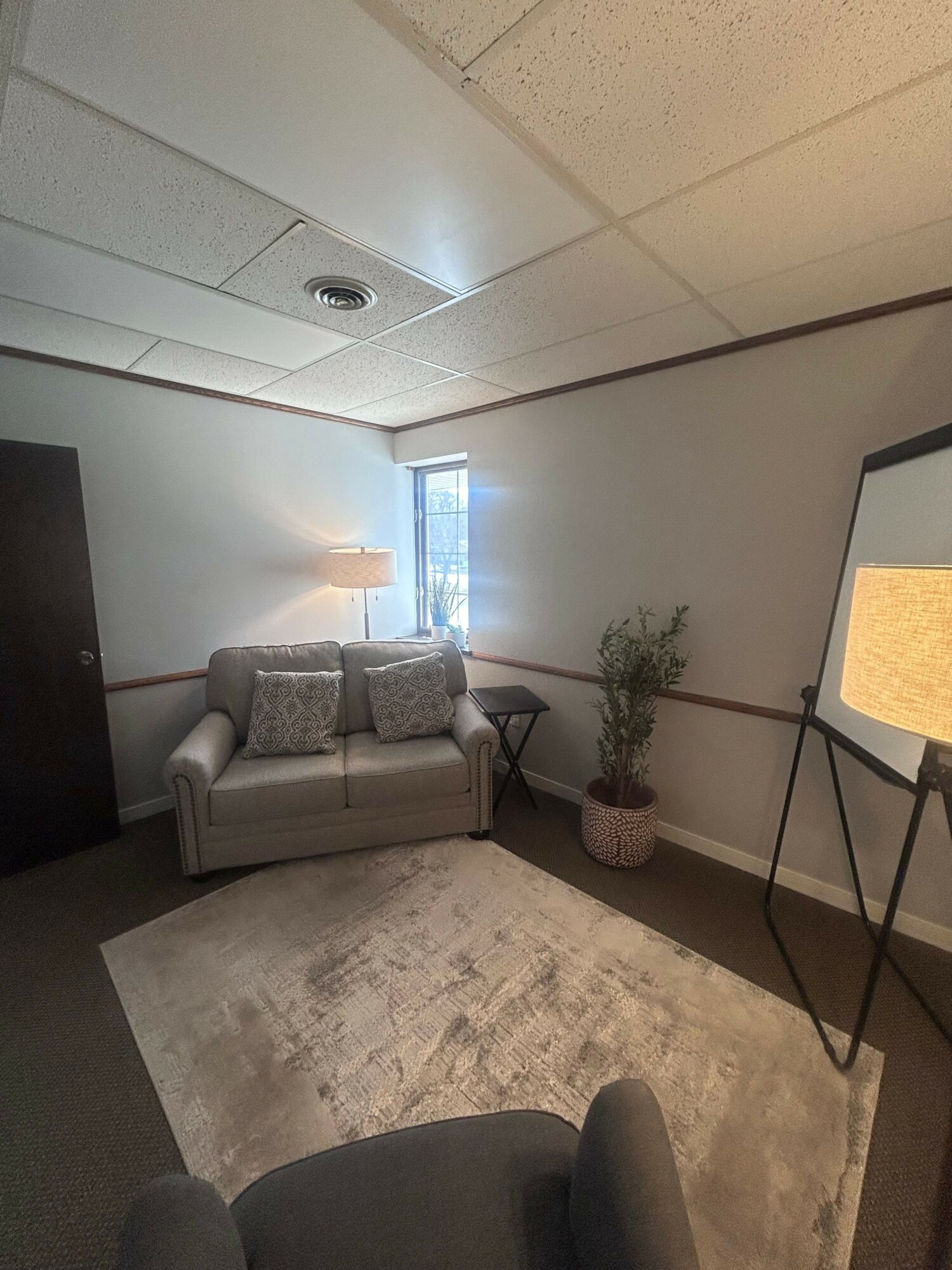
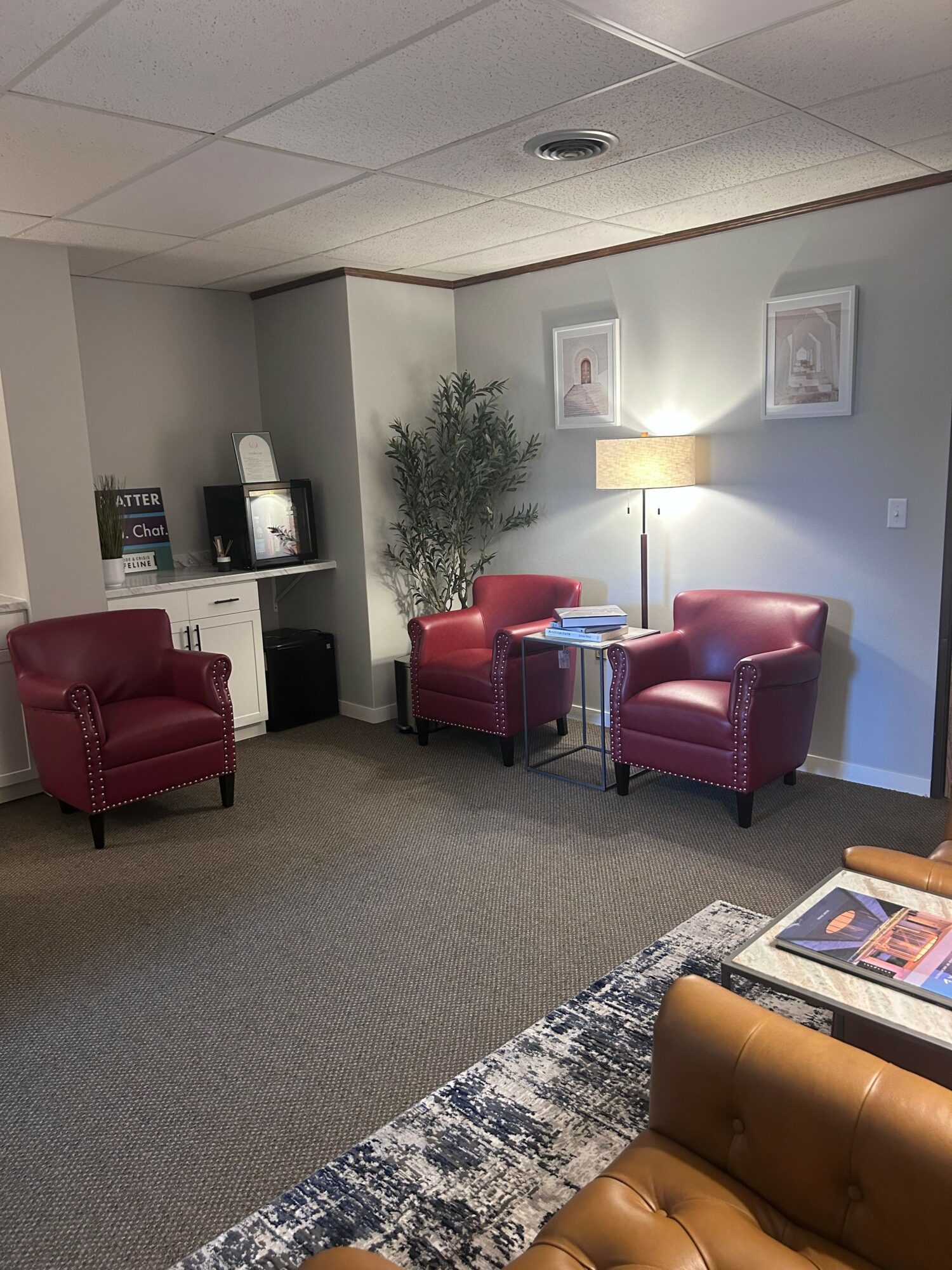
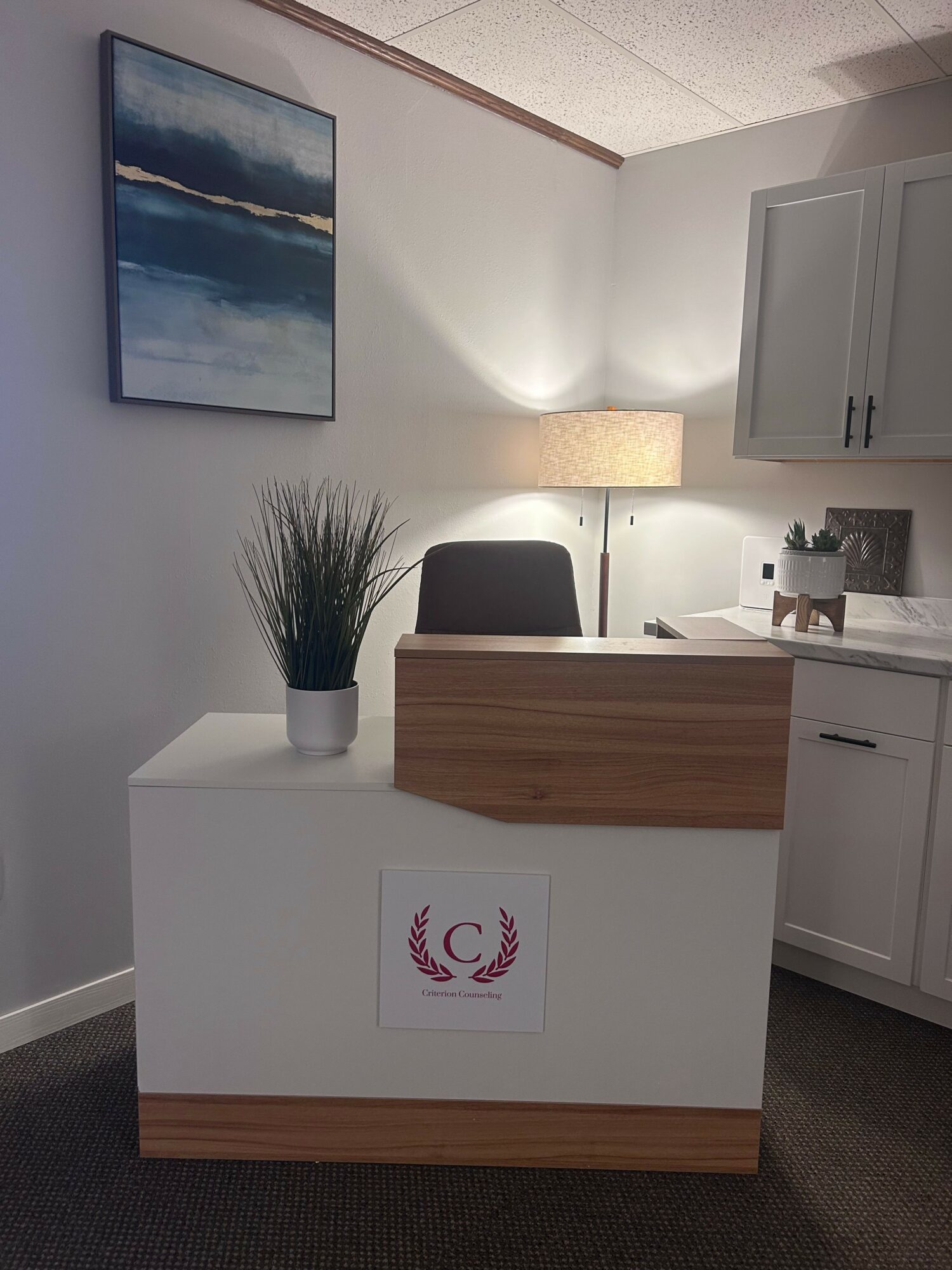
A few years later, I opened Criterion Counseling in St. Cloud.
Now, the practice reflects a lot of the different parts of my background. My work is grounded in mental health counseling, but it is also shaped by organizational psychology, my own work experiences, and my understanding of how meaningful it can be to have the right support at the right time.
Today, I work with adults dealing with anxiety, trauma-related stress, burnout, chronic stress, relationship strain, career questions, and major life transitions. I am especially interested in helping people understand the patterns underneath what they are experiencing, including how responsibility, work, identity, coping strategies, and earlier experiences can shape the way someone functions over time.
That is really where my Criterion Counseling mental health practice came from.
We all face challenges, but looking back would you describe it as a relatively smooth road?
It has definitely not been a perfectly smooth road.
Returning to school as an adult required a significant investment of time and energy. It also meant stepping into a new professional direction after spending years building experience in another field. There was a lot to learn, and at times it felt like starting over.
Opening a private practice brought a different set of challenges. Clinical work is only one part of running a business. There is also scheduling, insurance, documentation, technology, outreach, and the many small decisions that come with building something from the ground up. I have had to learn a lot as I go.
Another challenge has been learning how to explain the connection between mental health counseling and organizational psychology in a way that feels clear and natural. To me, the overlap makes sense. Work, relationships, identity, stress, and emotional well-being are not separate parts of a person’s life. They affect each other all the time.
There has also been a more personal lesson in learning not to feel like every part of the practice needs to be solved immediately. I think a lot of responsible people can relate to that. It is easy to keep carrying more, keep pushing forward, and keep trying to solve the next thing.
The process has helped clarify what I want Criterion Counseling to be: clinically grounded, practical, and human. I want people to have space to slow down enough to understand what is really going on and make changes that fit their actual lives. I’m still doing that myself.
We’ve been impressed with Criterion Counseling, but for folks who might not be as familiar, what can you share with them about what you do and what sets you apart from others?
Criterion Counseling is a private counseling practice based in St. Cloud, Minnesota. I work with adults who are dealing with anxiety, burnout, trauma-related stress, PTSD, chronic stress, relationship strain, career questions, and major life transitions.
What makes the practice a little different is the combination of mental health counseling and industrial-organizational psychology. I am interested in symptoms, of course, but I am also interested in the bigger picture. Work, responsibility, relationships, identity, expectations, coping patterns, and the roles people take on over time all matter.
A lot of the people I work with are still functioning pretty well on the outside. They may be professionals, caregivers, leaders, business owners, healthcare workers, college students, or simply the people other people depend on. They are often responsible and used to holding things together.
But sometimes the same patterns that helped them succeed or keep things moving start to wear them down. They may feel anxious, exhausted, irritable, emotionally distant, unable to rest, or unsure how to step away from responsibility without feeling like something is going to fall apart.
That is a big part of the work I do at Criterion Counseling. I help people understand the patterns underneath what they are experiencing and find more flexible, sustainable ways of moving through life.
I also care a lot about career development and workplace well-being. Because of my background in organizational psychology, I am especially interested in the way work affects identity, satisfaction, relationships, stress, and quality of life. Sometimes the issue is not simply work stress. It may be a question of fit, values, purpose, boundaries, leadership, or what someone wants the next chapter of life to look like.
My approach is practical and clinically grounded. I am not very interested in generic self-care advice or quick fixes. I am more interested in helping people understand what is actually going on beneath the surface and what real change might look like in daily life.
What I am most proud of is that Criterion Counseling has developed a clear point of view. A lot of people do not need to become more productive, more disciplined, or more capable. They may already be carrying too much, too well.
Criterion Counseling offers in-person counseling in St. Cloud and telehealth services across Minnesota to help address these challenges. I also write and share educational content about mental health, career development, workplace dynamics, and the internal cost of carrying too much for too long.
Networking and finding a mentor can have such a positive impact on one’s life and career. Any advice?
My first piece of advice is pretty simple: look for mentorship – period. Don’t do what I did at first. Do not wait for the perfect mentor to appear, and do not assume you need to figure everything out on your own.
Formal mentorship is great, but informal mentorship matters too. Some of the best guidance can come from colleagues, supervisors, peers, community members, or people whose work you respect. They may never officially call themselves your mentor. Sometimes they are only part of your life for a season. That does not make the guidance any less valuable. Learn from them.
It helps to pay attention to what you can learn from the people around you. Sometimes one conversation, one question, or the way someone approaches their work can stay with you for a long time.
For someone looking for a more formal mentor, I would start with your interests. Think about the areas that genuinely pull you in. It could be psychology, business, science, art, literature, healthcare, or something else. Then look for professional associations, membership groups, or local organizations related to those interests.
Reach out to them. Ask whether they have a mentorship program or whether they know someone who might be willing to talk with you. Even if there is no formal program, they may still be able to point you in the right direction.
I also think it is important to remember that mentors are human. Someone can have good judgment, valuable experience, and a lot to teach you without being the right person to guide every part of your life or career.
No one mentor is likely to understand every interest, value, or goal you have. At some point, you have to know where their advice ends and your own judgment begins. Don’t forget to listen to your own intuition and define what a meaningful life is for you; for me, I learned it was never someone else’s definition.
Networking works best when it is not treated like collecting contacts. It is more about being curious, asking questions, showing up, and building real relationships over time.
Pricing:
- Free 15-minute consultation to learn whether Criterion Counseling’s services are a good fit for you
Contact Info:
- Website: https://criterioncounseling.com/
- LinkedIn: https://www.linkedin.com/in/nathaniel-j-van-heuveln-71486862/
- Map: https://maps.app.goo.gl/FohdWsn9kBpVhDGq5
- Other: https://criterioncounseling.setmore.com/services/374bff99-4415-4ac1-b170-9d6ec3f3fc8b