




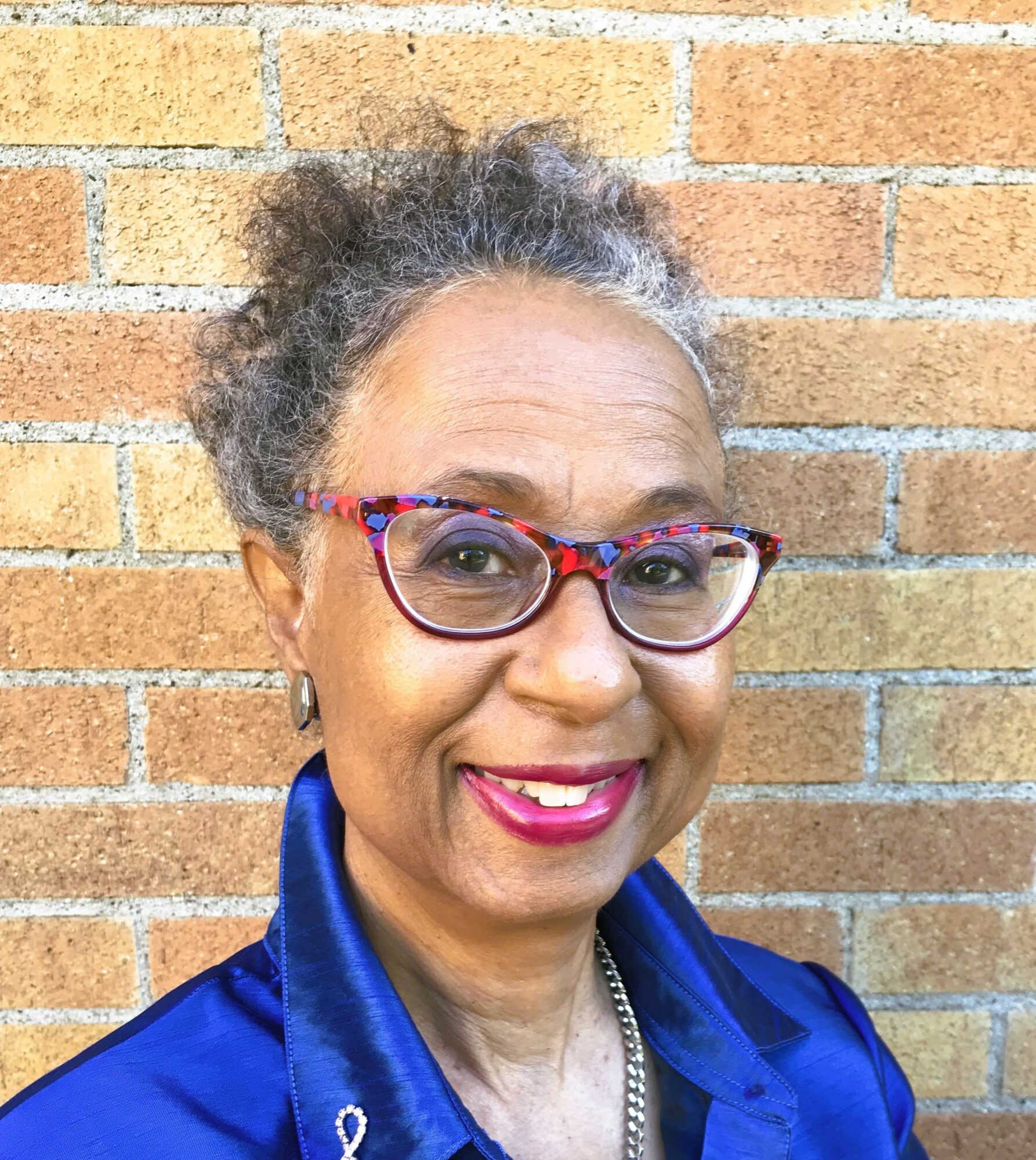
Today we’d like to introduce you to Reona Berry.
Hi Reona, please kick things off for us with an introduction to yourself and your story.
My knowledge about breast cancer began with my cousin Linda, an airline attendant who was diagnosed at age 27 in 1983. At age 35 I found a breast lump, which was later determined to be a fatty cyst. In June 1989 I noticed a discoloration on my right breast, under my armpit. It didn’t hurt or itch, so I ignored it, thinking although it was unusual it was not alarming, but it didn’t go away. For months, the discoloration area grew, but by November I could not ignore the hot, painful lump in my breast. During Thanksgiving holiday as I lay in bed I knew this was more than a cyst. But I wasn’t ready to find out what it may be. I checked a woman’s health book about the symptoms I was experiencing and knew, “with my luck” it would be breast cancer. In January 1990, a needle expiration of the lump determined it was a solid mass. Within days I was scheduled for an excisional biopsy with the results of it being positive for breast cancer. The next week I met my oncologist, Dr. Wietz, who told me that I had an aggressive breast cancer and that it had spread to the lymph nodes. It was then she shared that if it spreads to the bone, liver or brain there was not much that could be done to stop it. At that point I didn’t hear anything else she said as her lips moved. I was numb and having an out of body experience. I called my supervisor to let them know I would be having surgery in a few days next week. From the clinic I drove home in shock, through a stop sign wanting to get to a safe place with my family as I blurted out the bad news.
Before, during my diagnosis of stage 2 breast cancer in 1990 at the age of 38, I worked at the University of Minnesota Medical School as a Principal Accounts Specialist processing research grant applications. I had seen grant applications about breast cancer and new drugs such as Herceptin, but I was not prepared to be the subject of a disease that one only thought attacked older white women.
So, in March 1990 my travels through lumpectomy surgery, chemotherapy, therapeutic radiation and a clinical trial began, all during my sister’s wedding in April. Although I was losing my long hair, it stayed intact until mid-April. I held on to a little Friar Tuck ring of hair anchored by 6 strands as I was not ready to be totally bald. Once I snipped it off I saw I had a nice, shaped head and I embraced it. I was doing well tolerating weekly chemotherapy, a protocol, 16 week clinical trial with seven drugs that caused severe side effects. However, my family and friends were there for me with food, fun and love under their watchful yet worried eyes. During July my last month of treatment, I could only eat instant mashed potatoes and water, I lost 12 pounds. I was trying hard to work every day, but I was too weak, getting sick at work. Thankfully, my supervisor told me that I had plenty of sick leave to take medical time off and so my coworker Sue drove me home.
During the summer I recovered and was able to gather family and friends to help me paint my bedroom wall pink to move forward and gain emotional and physical strength. As my hair grew back, I had a new hairdresser, “Hair by Chemo” with a short curly style that I loved. While hair can grow back, the feeling of living safety does not. There’s always the feeling of “what if”: the cancer is still there, it will come back, how long will I live, I’m not ready to die. For those fearful reasons I never made plans past a week to a month, it was always one day at a time.
My surgeon recommended that I attend a support group sponsored by the YWCA for women post breast cancer surgery. I met several women of various ages and different stages of breast cancer. Nancy had stage 4 breast cancer but came to the weekly group meetings as she was living through cancer which was very inspirational for others. However, it was a reality of the disease when she passed, and we became worried about our own timeline. In the process I focused on getting stronger in body, mind and soul attending aerobics and weight training classes. Through the support group I also met 3 other Black women patients, survivors, Brenda, Linda and Elaine. We were all excited to learn we were not the only black women with breast cancer! There was strength in numbers as we shared our journeys and found a healing purpose as we established the African American Breast Cancer Alliance.
Twenty-nine years later in January 2019 I was diagnosed with breast cancer in my left breast. In March I chose to have a mastectomy and breast reconstruction with a 5 year hormone suppressant treatment. So far so good and the beat goes on!
Alright, so let’s dig a little deeper into the story – has it been an easy path overall and if not, what were the challenges you’ve had to overcome?
Finding other Black women with breast cancer was a bit of a challenge as cancer was a taboo subject overall as most view cancer as a death sentence. The general experiences of Black women with breast cancer ranged from fear to misinformation to shame and the idea that sharing such experiences with others in a support group was embarrassing or not necessary. So many women think that they can handle any situation without help, or do not know how to ask for help, or that they can’t let their guard down when things get tough for them. That is what we called the “Super Woman Syndrome”. Now women seek out support groups and other women to learn about how to get through and survive breast cancer.
As you know, we’re big fans of you and your work. For our readers who might not be as familiar what can you tell them about what you do?
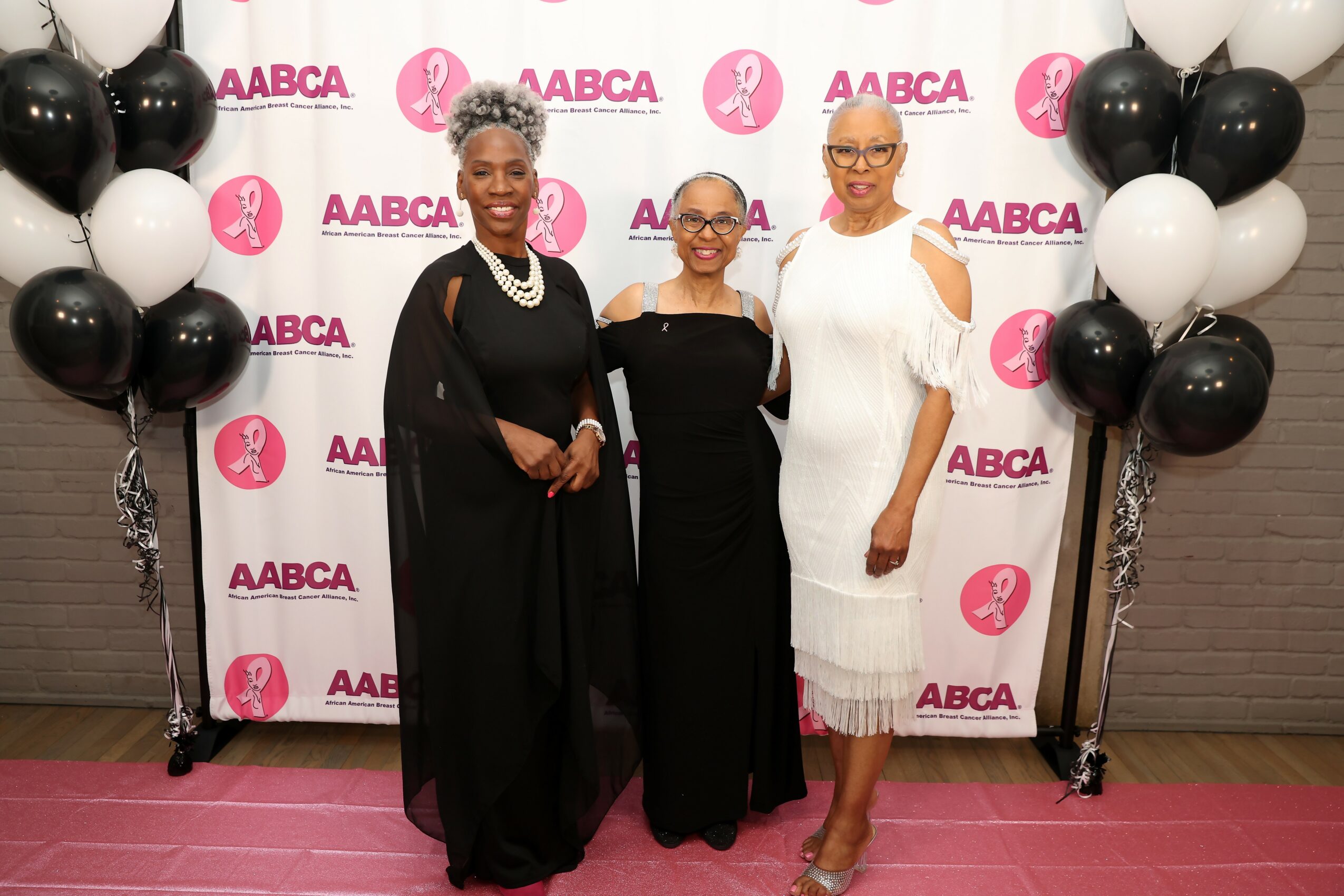
# 1 Short Version: Nonprofit organization. I am one of the co-founders of the African American Breast Cancer Alliance (AABCA), that started in October 1990 by 9 women who had been personally affected by breast cancer as a patient, survivor and family members or friends who had been diagnosed. Because cancer was not openly talked about in our families and communities learned that Black women lacked knowledge about breast cancer and the importance of taking swift action due to fear that leads to later diagnosis. Historically, Black communities encounter economic, educational, racial and social barriers that affect their health. Plus during that time, there were no culturally specific resources and support about breast cancer for Black women. In 1990 when we created AABCA, a non-profit we had a goal to talk about cancer, create culturally specific, easily understood, breast cancer materials, and provide an environment where Black women could connect, share and support each other through their journey of survival. AABCA was the first African American breast cancer support organization in the Upper Midwest. Now, around the country and the world Black women, women of color and men have created support organizations to connect with other breast cancer survivors and share messages of fighting, surviving, thriving and hope.
# 2 Long Version:
About AABCA – Building our community
October 6, 1990, 9 black women affected by breast cancer, either as a survivor or family member, met to discuss where are other Black women, why is not conversation about breast cancer among our families, friends and community. It was eye opening to learn that for years people didn’t talk about cancer, “the Big C,” about family members and friends had died from cancer, how women felt shame to do a breast exam, that their grandmothers could not go to the hospital and some died at home from the disease. Since we all were under 45 years of age when diagnosed we needed answers for the questions we had about breast cancer, the side effects we were experiencing and that there had to be more Black women with breast cancer in the Twin Cities. When we met that day in October, we realized we needed to step up to take care of ourselves, find others that may be suffering in silence and bring our message about Black women learning about breast cancer, taking care of themselves, so they can live longer and be there for their families, be empowered. That’s how the organization African American Breast Cancer Alliance (AABCA) began to evolve. We wanted to know what they knew about breast cancer, what kept them from getting medical exams, mammograms, did they know of other women that were diagnosed, what were their fears and barriers. They talked about the choices they had to make between childcare, feeding their families, no insurance or taking time off from low paying jobs, the misinformation that passes through bad experiences or historical discrimination and racism.
Because there was no specific information about breast cancer for women of color we decided to develop our own finding women to share their personal stories. We held focus groups with the American Cancer Society, community churches, family members, the YWCA, Minnesota Department of Health Cancer Control, and other organizations to gain and share information. We designed fliers and held community fairs and support group meetings sharing information in a safe environment that appealed to people dealing with the disease. As the word got out, more stories came from women by whispers and word of mouth. That said something about the need for this organization. Women were shy at first, but so eager to connect and to be heard because in our communities and families, you don’t “tell your business.” Now Black women openly talk about breast cancer, their surgeries, treatments, feelings, struggles and survivorship. AABCA members jumped at the chance to represent and participate in public breast cancer awareness and celebration events such as the Susan G Komen Race for the Cure. They believe in their survivorship journey as they celebrate with hundreds of other survivors and caring people. We have grown from a few in 1991 to many Black participants across the United States.
Spreading the Word
The founders of AABCA moved forward with the mission to spread the word about breast cancer taking it out of the closet, help reduce the fear of the conversation and show people that we are living examples of surviving the disease, that it is not always a death sentence for Black and brown women. Sharing stories and spreading the word created a sense of empowerment and self-advocacy for women that helps them deal with their diagnosis, build knowledge, relationships, understand that with their medical team, they ask questions about their diagnosis, get second opinions, learn about options, treatments and patient rights. In the process, they learn how hope and faith can get them through the hard times.
The founders knew we had to tell our stories our way by creating innovative materials that were culturally specific for our community. Our award winning brochure, “Being There!” was printed and distributed through regional offices by the American Cancer Society as it did not have such a brochure available. In 1994, AABCA was able to print and distribute it around the country as it was in wide demand by Black community organizations. From the brochure and our history, AABCA was invited to join the NIH National Black Leadership Initiative Against Cancer (NBLIC) extending and prioritizing outreach in the Black community as it has the highest cancer mortality rates of all populations.
The Results
In October 2025 AABCA celebrated 35 years of Being There! AABCA has had a great impact on communities of color, how cancer is discussed and battled. We were able to let people know that there is help and hope, that Black people can fight cancer with education, resources and action by breaking through the fear and not doing it all alone.
There is so much power in connection with others in order to make a difference in people’s lives and the outcomes they experience with cancer.
What are your plans for the future?
Continue to grow and share breast health information because now more young Black and brown women under age 45 are being diagnosed with breast cancer. AABCA wants to be there to help them in their breast cancer journey of life, support and survivorship.
Contact Info:
- Website: https://aabcainc.org
- Instagram: www.instagram.com/aabcainc/
- Facebook: https://facebook.com/AABCAInc.org
- LinkedIn: https://www.linkedin.com/in/african-american-breast-cancer-alliance-aabca-53171117
- Youtube: AABCAINC2